
A brewing conflict within Ghana’s public transport sector has taken centre stage following a controversial directive by the Ghana Private Road Transpo
A brewing conflict within Ghana’s public transport sector has taken centre stage following a controversial directive by the Ghana Private Road Transport Union (GPRTU) announcing a 15% reduction in transport fares effective May 25, 2025.
While the GPRTU has backed its decision with recent reductions in fuel prices, the move has been flatly rejected by a splinter group, the Alliance of Drivers Ghana, who have described the directive as “illegal and unacceptable.”
In a statement issued on May 20, the Alliance of Drivers Ghana vehemently opposed the fare reduction, asserting that the current drop in fuel prices does not justify such a steep cut in lorry fares.
According to the group, fuel prices have only declined marginally — from GHS 14.58 per litre to GHS 13.23 — representing just a 4% decrease, far below the 15% fare reduction being enforced.
“Aside fuel, operational costs have not changed,” said Ishmael, National Organiser of the Alliance.
“Car insurance has increased from GHS 634 to GHS 710. Engine oil prices remain the same. DVLA charges and spare parts costs have not gone down. Even station tickets have increased from GHS 2 to GHS 3. On what basis are we cutting fares?”
The group insists that until these ancillary costs are addressed — including reductions from spare parts dealers, insurance companies, and the DVLA — they will not honour the GPRTU directive.
“We urge the general public to disregard the purported fare reduction. Our members will continue charging the current fares until the necessary consultations are done,” added Kwaku Boateng, the group’s National Public Relations Officer.
GPRTU Threatens Sanctions
On the other side of the conflict, the GPRTU remains firm in its decision. Speaking on Channel One Tv on May 24, GPRTU General Secretary, Godfred Abulbire, warned that transport terminals and drivers who fail to comply with the fare reduction directive will face disciplinary action.
He admitted that some branches, particularly in the Ashanti Region, delayed implementing the new fares due to late communication.
However, he stressed that compliance is now mandatory.
“By tomorrow, if stations or branches working under us don’t comply with the directives, sanctions will be meted out,” he stated.
Among the proposed sanctions is preventing non-compliant drivers from loading passengers — a penalty Abulbire says drivers dread most.
“A particular punishment drivers do not like is to seize him or stop him from loading. So we think that is what we need to do,” he said.
Deepening Rift
This stand-off marks a growing division within Ghana’s public transport ecosystem.
While GPRTU remains the dominant union, the emergence of advocacy groups like the Alliance of Drivers Ghana underscores simmering frustrations among rank-and-file drivers who feel excluded from high-level decision-making.
The current impasse also raises broader questions about the governance of public transport fare structures in Ghana.
The lack of a unified body to oversee fare adjustments — factoring in all elements of operational cost — has resulted in conflicting interests and public confusion.
As of May 25, passengers across major transport terminals in Accra, Kumasi, and Tamale report mixed experiences.
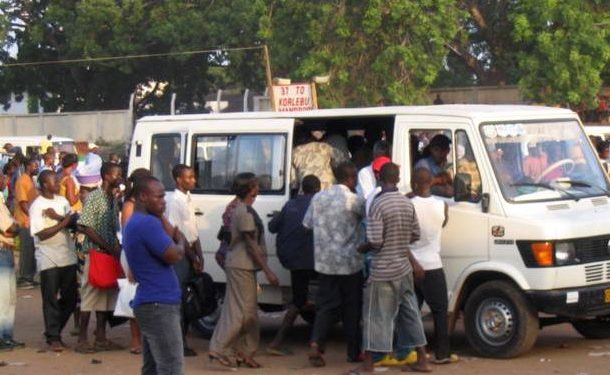
Some drivers have adopted the new fares, while others are sticking to the old prices, leading to arguments and delays at lorry stations.
Unless the Ministry of Transport or another authoritative body steps in to mediate, Ghana’s commuters may be caught in the middle of a fare war that is far from over.

COMMENTS