
In a significant step toward strengthening the resilience against health crises, the Minister of Health, Kwabena Mintah Akandoh, has inaugurated a new
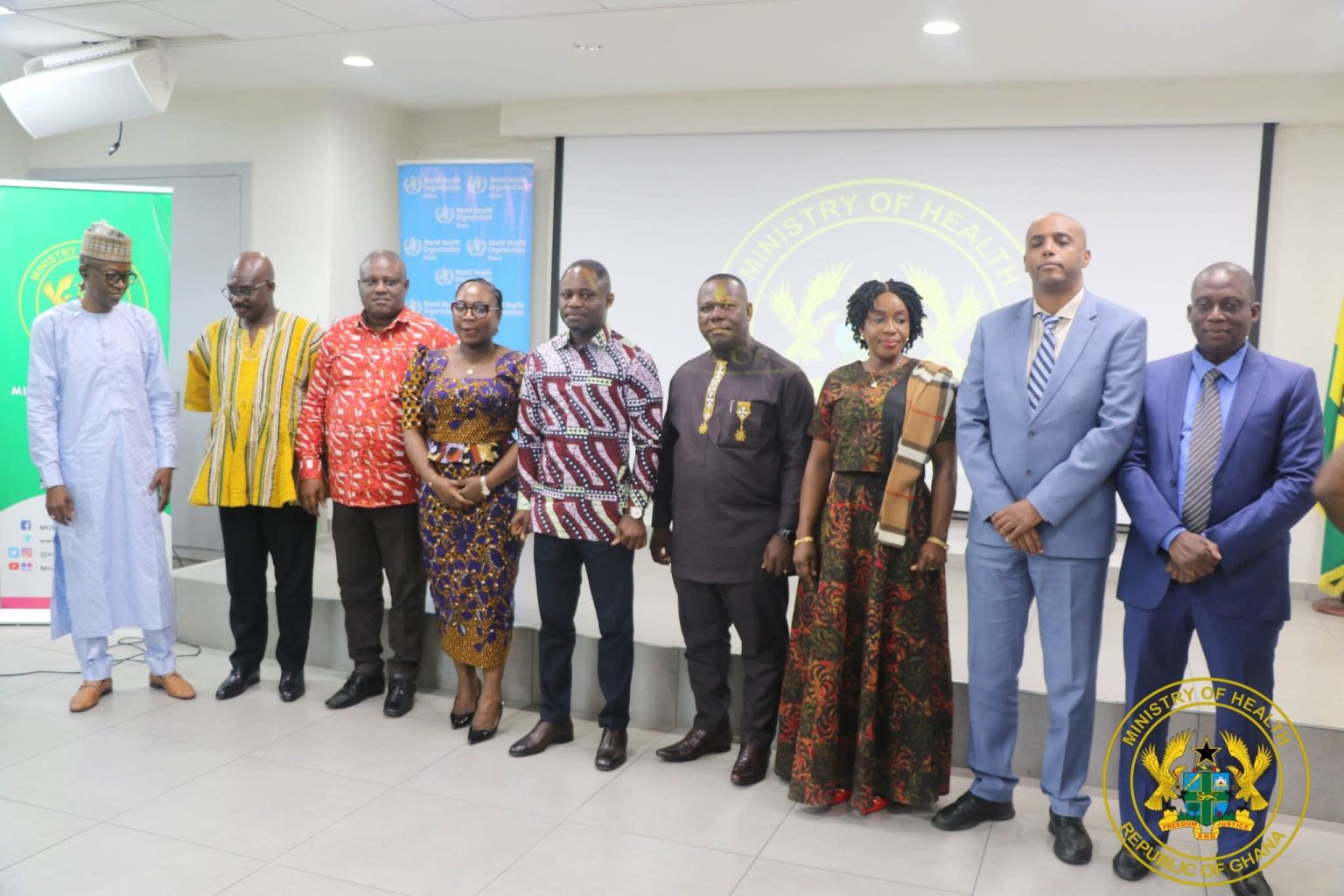
In a significant step toward strengthening the resilience against health crises, the Minister of Health, Kwabena Mintah Akandoh, has inaugurated a newly established Pandemic Fund National Steering Committee tasked with driving the country’s emergency preparedness and response efforts.
The move comes amid renewed global concerns over infectious disease outbreaks and growing public demand for stronger national systems to prevent and manage health emergencies.
At the ceremony in Accra, the Health Minister officially launched the 13-member committee, which is expected to coordinate Ghana’s participation in the World Bank-supported Pandemic Fund initiative.
Addressing the gathering, Akandoh emphasized the pressing need for readiness in the face of mounting health threats.
Upon assuming office earlier this year, the Minister said he was immediately confronted with a meningitis outbreak in the Upper West Region, followed by a cholera resurgence in the Greater Accra and Central regions.
To complicate matters, the country is currently grappling with a re-emergence of Mpox (formerly known as Monkeypox), with over 79 confirmed cases recorded nationwide.
“These outbreaks highlight why we cannot afford to be reactive. We must build a robust, well-resourced emergency response system anchored in preparedness, transparency, and accountability,” the Minister stressed.
What the Pandemic Fund Brings
The Pandemic Fund is a global financing mechanism spearheaded by the World Bank and backed by the World Health Organization (WHO). It is designed to support low- and middle-income countries in building resilient health systems capable of managing infectious disease threats.
For Ghana, the fund will focus on three key areas: enhancing the readiness of the national health workforce, upgrading laboratory infrastructure, and expanding early warning and disease surveillance systems.
The newly inaugurated committee would oversee the implementation of these priorities and ensure that the benefits of the fund are felt across all levels of the health sector.
Composition and Mandate of the Steering Committee
The 13-member National Steering Committee comprises stakeholders drawn from across government sectors—health, agriculture, finance, environment, gand ender—as well as representatives from civil society, development partners, and academia.
The committee is expected to play a lead role in shaping policy direction, mobilizing resources, and ensuring cross-sector coordination for emergency health response.
Akandoh challenged the committee to act with urgency and integrity.
“This body must not be a rubber stamp. It must be a force for action, a mechanism that translates policy into real results for the Ghanaian people,” he said.
International Support and Oversight
Speaking on behalf of the World Health Organization, Dr. Sofonias Asrat, Cluster Lead for Universal Health Coverage (UHC), pledged the WHO’s continued support for Ghana’s health security agenda.
He commended the country for completing its recent Joint External Evaluation (JEE), a global assessment tool used to measure a nation’s capacity to detect, prevent, and respond to public health threats.
Dr. Asrat also stressed the need for transparency and inclusivity, noting that international partners are closely monitoring how countries utilize funds for pandemic preparedness.
“The Pandemic Fund is not just a financial tool. It is a test of leadership, systems, and integrity. Ghana has a chance to set an example,” he noted.
Representatives from civil society organizations and the academic community also participated, underscoring the multi-sectoral nature of the health emergency response agenda.

COMMENTS