
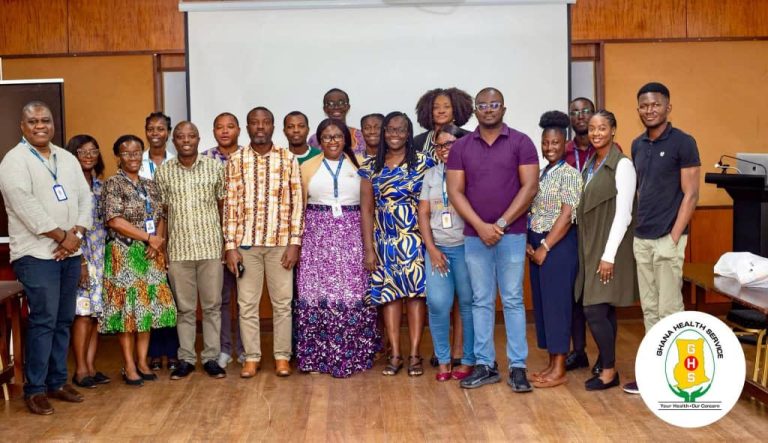
Amid growing concerns over the persistent threat of Avian Influenza, key players in the animal and human health sectors convened in Accra to evaluate
Amid growing concerns over the persistent threat of Avian Influenza, key players in the animal and human health sectors convened in Accra to evaluate the country’s preparedness and response strategy under the global “One Health” framework — an integrated approach to addressing health threats at the human-animal-environment interface.
The high-level meeting brought together scientists, veterinarians, public health experts, and international partners, with a shared goal of reviewing the current Avian Influenza situation and mapping out a coordinated response to avert a potential zoonotic spillover.
Ghana has recorded multiple outbreaks of Avian Influenza in poultry since 2021, raising fears of a possible transmission to humans.
Although no such crossover event has occurred so far, experts warned that the risk remains real and must not be taken lightly.
The disease has not only impacted poultry farmers economically but also posed a looming threat to public health.
Participants at the meeting stressed the urgency of prioritising resource allocation to contain the disease and protect both human and animal populations.
They also underscored the need to integrate Avian Influenza surveillance efforts with national health initiatives such as adult immunization programs and epidemic preparedness campaigns.
A significant theme that emerged from the discussion was the inclusion of social scientists in the national response.
Experts believe that better communication and community engagement — grounded in social research — are critical to ensuring that technical findings translate into real-world, preventive action.
This approach, they noted, aligns with the broader development ambitions, aimed at accelerating productivity and economic resilience.
Dr. Dennis Odai Laryea, Deputy Director at the Disease Surveillance Department of the Ghana Health Service, highlighted the importance of building robust systems that can detect and respond to threats in real time.
He was joined by fellow participants from the Noguchi Memorial Institute for Medical Research, including Dr. Ivy A. Asante, who emphasized the role of research institutions in early detection and data sharing.
Also present were representatives from international partners, including Dr. Myra Charles and Dr. Talla Nzussouo N. from the U.S. Centers for Disease Control and Prevention (CDC), Dr. Naomi Attram from NAMRU3, and Dr. Daniel Mingle, a Public Health Specialist with the Ghana Armed Forces.
Dr. Theophilus Odoom from the Veterinary Services Department reiterated the importance of animal surveillance in preventing wider public health emergencies.
Speaking at the close of the session, a CDC official described the gathering as an “eye-opener,” praising Ghana’s commitment to multisectoral collaboration.
The official added that regular engagements of this nature would not only enhance coordination but also position Ghana as a strong candidate for technical and financial support from global health donors.
The meeting ended with a joint commitment to knowledge-sharing, system strengthening, and proactive surveillance, ensuring that Ghana stays ahead of the Avian Influenza threat and other emerging zoonotic diseases.
This renewed effort is part of a broader regional and global initiative to tackle health threats holistically, recognizing that the health of humans is closely linked to that of animals and the environment — the core principle behind the One Health approach.

COMMENTS