
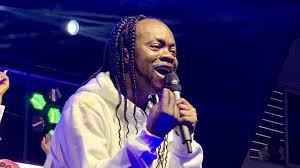
The Ghanaian music industry is in mourning following the death of legendary Highlife musician Charles Kwadwo Fosu, known popularly as Daddy Lumba.
The Ghanaian music industry is in mourning following the death of legendary Highlife musician Charles Kwadwo Fosu, known popularly as Daddy Lumba.
The iconic performer, singer, and songwriter passed away on Saturday, July 26, 2025, at the age of 60 after a prolonged battle with health complications.
His family confirmed the heartbreaking news, which has since sent waves of grief throughout Ghana and the wider diaspora.
Daddy Lumba’s passing marks the close of a monumental chapter in Ghana’s music history.
Known for his silky vocals, evocative lyrics, and unmatched stage presence, Lumba was not only a prolific artist but also a cultural force who reshaped the Highlife genre for over four decades.
Early Life and Musical Roots
Born on September 29, 1964, in Nsuta Amangoase in the Ashanti Region, Lumba’s passion for music began at a young age.
He formed his first music group, while still in secondary school at Juaben Senior High School.
That early group laid the foundation for what would become one of the most celebrated music careers in Ghana.
In 1983, he migrated to Germany, a move that would prove pivotal to his professional journey. While abroad, he reunited with his childhood friend Ernest Nana Acheampong.
Together, they released their debut album, Yɛɛyɛ Aka Akwantuo Mu, in 1989. The album was an instant hit and officially launched Lumba’s solo career.
A Towering Musical Legacy
Over the span of 40 years, Daddy Lumba released more than 30 studio albums — a feat few African musicians have matched.
His catalogue includes timeless tracks like Aben Wo Ha, Theresa, Tokrom, and Yentie Obiaa, songs that continue to resonate with multiple generations of Ghanaians.
A master of musical evolution, Lumba constantly reinvented his style — blending traditional Highlife with elements of contemporary pop, gospel, and Afrobeats.
His lyrics touched on love, betrayal, hope, and societal issues, often delivered with bold honesty and artistic flair.
Awards and Industry Impact
His contributions to music earned him numerous accolades, including Ghana Music Awards, national honours, and lifetime achievement recognitions.
His daring song Aben Wo Ha was both celebrated and controversial when it debuted in 1998, pushing boundaries and redefining lyrical expression in Ghanaian music.
Daddy Lumba’s influence extended far beyond his own music. He inspired a new generation of artists such as Ofori Amponsah, Kwabena Kwabena, and Kofi Nti.
Through his personal label, DL Music Production, he nurtured young talents and contributed significantly to the growth of the Highlife and Hiplife scenes.
Health Struggles and Resilience
In recent years, Lumba faced multiple health challenges, which sometimes kept him away from the public eye.
Despite the setbacks, he remained creatively active, releasing songs and making surprise appearances, including his last stage performance in 2023. His perseverance in the face of adversity earned him admiration not just as a musician, but as a resilient spirit who lived for his art.
A National Icon Beyond Music
Lumba’s appeal went beyond music. He was admired for his flamboyant fashion sense, signature sunglasses, and powerful personality.
Songs like Yentie Obiaa became cultural anthems, used even in political circles to reflect independence and defiance. His music became the soundtrack to countless weddings, funerals, campaigns, and social events across Ghana.
Nation In Mourning
The death of Daddy Lumba has left an emotional void in the hearts of Ghanaians at home and abroad. Tributes have poured in from fellow musicians, fans, and political leaders, with many describing him as irreplaceable.
Social media platforms have been flooded with messages of sorrow, remembrance, and gratitude for his decades-long service to Ghanaian music.
Many are now calling for a state funeral to honour his life and legacy. Music historians and cultural commentators agree that Daddy Lumba’s contribution to Ghanaian music is unparalleled — a legacy that future generations will continue to study and celebrate.

COMMENTS