
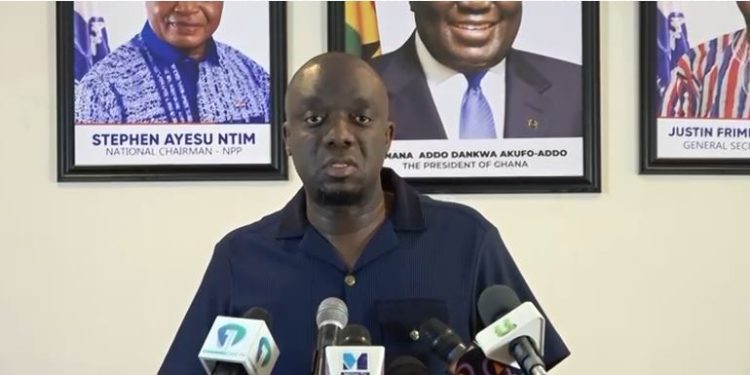
The New Patriotic Party (NPP) has vehemently denied explosive allegations that it contracted a Ukrainian public relations firm, Brandcom, to orchestra
The New Patriotic Party (NPP) has vehemently denied explosive allegations that it contracted a Ukrainian public relations firm, Brandcom, to orchestrate an online smear campaign targeting President John Dramani Mahama during the 2024 presidential elections.
This denial comes days after an article published by AllAfrica.com and syndicated by InfoWire claimed that Brandcom had issued a legal demand notice to the NPP, seeking payment of $280,000 for services allegedly rendered during the NPP’s failed 2024 campaign.
According to Brandcom, the services included the creation of fake social media accounts, propaganda videos, and viral memes aimed at discrediting Mahama’s flagship “24-hour economy” policy.
Brandcom, which describes itself as a strategic communications outfit with political campaign experience across Africa, alleged that it ran an aggressive disinformation campaign across Ghanaian digital platforms.
This campaign supposedly involved 430 fake social media accounts, 87 visual assets mocking Mahama, and four videos critical of his previous presidential term.
The Ukrainian firm claimed the NPP failed to honour its payment obligation after losing the December 2024 election, prompting the current legal action.
However, in a strongly worded statement dated August 3, 2025, and issued by the party’s National Communications Directorate, the NPP categorically rejected any association with Brandcom or any foreign PR outfit.
“We wish to state emphatically and categorically that the NPP has no contractual relationship—past or present—with any entity known as Brandcom, based in Ukraine or elsewhere,” the statement read.
The party labelled the publication “false, baseless, and defamatory,” arguing that it was a deliberate attempt to tarnish the NPP’s image and undermine public trust.
“At no point did the leadership of the NPP engage, authorise, or instruct any foreign agency to operate fake social media accounts, produce smear campaign content, or undertake any unethical digital activities,” it stated.
The NPP described itself as a party built on integrity, with a long-standing tradition of issue-based campaigning and commitment to democratic norms.
It has demanded an immediate retraction of the article and reserved the right to take legal action against both Brandcom and any media platforms that published or republished the claims.
Meanwhile, investigative journalists reviewing metadata from anti-Mahama campaign materials found indications that some of the content may have originated from servers based in Kyiv.
Rumours have it that the tactics used—such as meme-driven disinformation and youth-targeted social media manipulation—were identical to previous Brandcom campaignsin Eastern Europe.
Furthermore, a pattern of reused pro-Ukraine bot accounts suggested that the digital infrastructure for the alleged smear campaign was repurposed from previous international disinformation operations.
The NPP, now in opposition following its 2024 electoral defeat, maintains that the entire episode is an orchestrated attempt to smear the party’s credibility.
The party has called on the Ghanaian media and the public to remain vigilant and resist what it termed “misinformation from faceless entities.”
Brandcom has threatened to release recorded evidence, including alleged conversations with NPP officials, if the disputed payment is not made.
The political fallout—and potential legal ramifications—remain to be seen.

COMMENTS