
As the nation continues to mourn the eight lives lost in last Wednesday’s tragic helicopter crash, a different revelation is generating heated public
As the nation continues to mourn the eight lives lost in last Wednesday’s tragic helicopter crash, a different revelation is generating heated public and political debate.
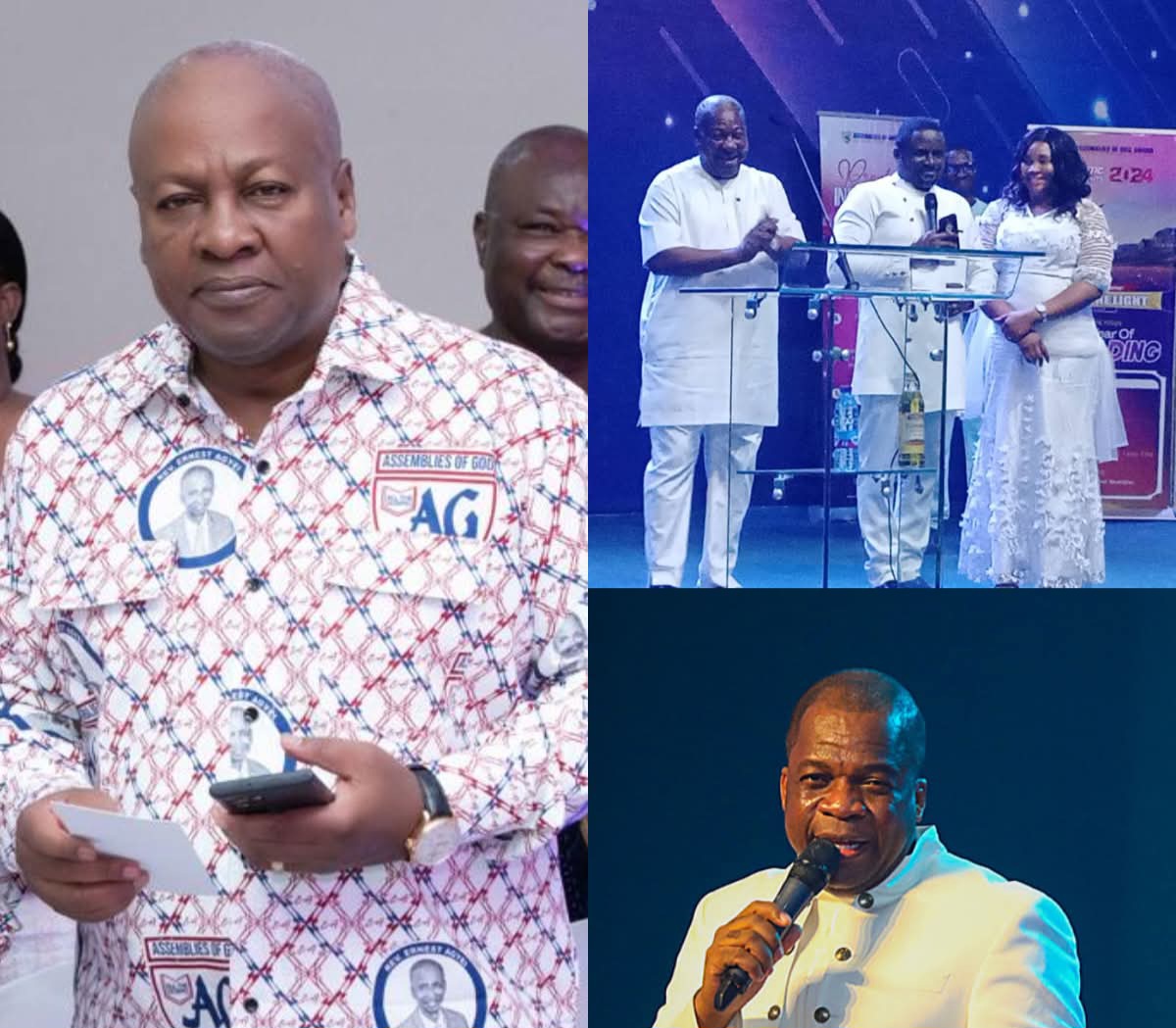
A member of the National Democratic Congress (NDC) and deputy Director General of the National Service Authority, Donkor Fuseini has disclosed that President John Dramani Mahama, within just seven months of assuming office, has completed and handed over ten fully furnished church buildings to the Assemblies of God Church—in a direct fulfillment of a campaign promise he made during the 2024 elections.
The 10 brand-new, fully-furnished church buildings handed over to the Assemblies of God in northern Ghana, were completed in just 6 months.
According to Fuseini Donkor while the president built the church buildings, his wife Lordina Mahama took care of the furnishings with the kitchens given a modern taste.
The churches located across the five northern regions, come with:
1. Accommodation for pastors
2. Fully equipped kitchens
3. Musical instruments
4. Furnished living spaces
Donkor Fuseini told TV3 that the facilities are “ready for immediate use” and designed so pastors and their families can move in right away.
The announcement has triggered questions about governance priorities in a country struggling with chronic socio-economic challenges.
With poor roads, inadequate healthcare facilities, underfunded schools, and persistently high unemployment rates, critics are questioning why a newly elected president would move so swiftly to deliver on a religious infrastructure pledge rather than focusing on pressing national needs including the government’s main campaingn pledge, the 24-Hour Economy.
Campaign Promise Fulfilled in Record Time
During the 2024 election campaign, then-candidate Mahama assured the Assemblies of God Church that if he won power, he would oversee the construction of ten new church buildings for them.
Barely seven months into his term, this pledge has been met, with First Lady Lordina Mahama reportedly furnishing the facilities.
The speed of completion has raised eyebrows, with some hailing the delivery as a mark of commitment, while others view it as politically motivated.
Echoes of the National Cathedral Controversy
The development has revived memories of the fierce public backlash against President Nana Addo Dankwa Akufo-Addo’s National Cathedral project.
At the time, the National Democratic Congress (NDC) and sections of the Christian community argued that God does not require a building to dwell in, and that state resources should not be committed to such a project in a secular nation.
Now, critics are pointing to what they describe as double standards. They question why the construction of multiple churches for a single denomination under Mahama is being celebrated by the same political voices that resisted the National Cathedral.
This has fuelled accusations of hypocrisy within Ghana’s political discourse.
Funding and Transparency Questions
Central to the controversy is the source of funding.
Supporters of President Mahama insist that the churches were financed from his personal resources, not the public purse.
However, skeptics argue that if Mahama possessed the wealth to fund such a large-scale project independently, he could have undertaken it while in opposition, instead of tying it to an electoral victory.
Furthermore, concerns remain about whether any state resources were indirectly involved, if procurement procedures were followed, and whether Parliament was informed about the undertaking.
In a democracy where transparency is essential, such questions demand clear answers.
Faith or Political Strategy?
While some view the gesture as a sincere act of faith and gratitude, others believe it is a calculated political strategy to cement the loyalty of a significant religious voting bloc.
This raises broader questions about the role of religion in Ghanaian politics and whether campaign promises to faith-based groups should take precedence over urgent national development needs
Ultimately, whether this move is remembered as an honourable fulfillment of a promise or a case of misplaced priorities will depend on transparency, public accountability, and how Ghanaians choose to interpret it.

COMMENTS