
The Governor of the Bank of Ghana (BoG), Dr. Johnson Pandit Asiama, has painted a cautiously optimistic picture of the Ghanaian economy, citing strong
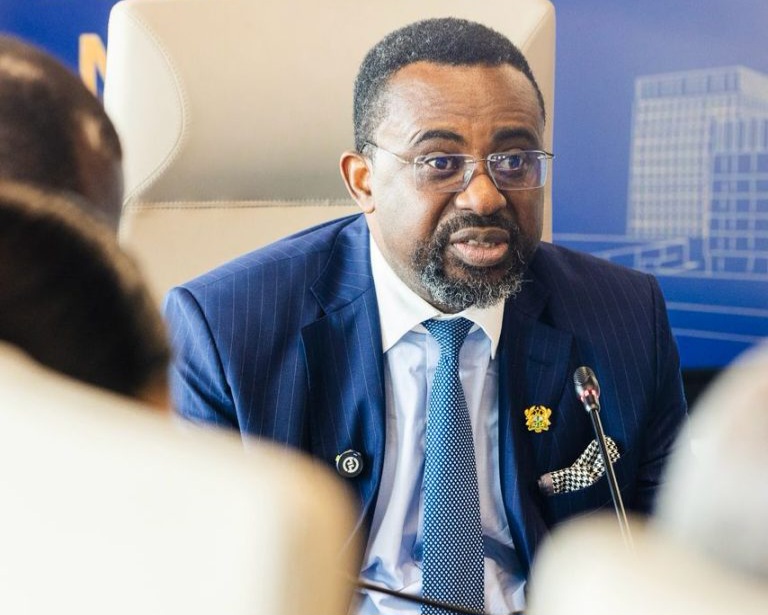
The Governor of the Bank of Ghana (BoG), Dr. Johnson Pandit Asiama, has painted a cautiously optimistic picture of the Ghanaian economy, citing strong growth, easing inflation, and a stable currency.
Speaking at the 126th Monetary Policy Committee (MPC) meeting in Accra on Monday, September 15, 2025, Dr. Asiama underscored that despite global uncertainties, the recovery is gaining momentum.
Growth Gains Despite Global Headwinds
According to provisional data presented by the Governor, Ghana’s GDP growth accelerated to 6.3 percent in the second quarter of 2025, driven largely by the services and agriculture sectors.
Non-oil GDP posted an even stronger performance, expanding by 7.8 percent.
The BoG’s Composite Index of Economic Activity also showed a 6.1 percent increase year-on-year in July, while business and consumer confidence surveys reflected improved sentiment.
Globally, economic growth has slowed due to trade tensions and geopolitical risks, alongside tight financial conditions.
Yet, Dr. Asiama said Ghana’s “improved fundamentals have strengthened confidence in our outlook,” noting that the country is bucking the trend with sustained growth.
Inflation At Four-Year Low
On the price front, headline inflation dropped to 11.5 percent in August 2025—the lowest level since October 2021.
The Governor attributed this to a combination of tight monetary policy, fiscal discipline, and increased food supplies. He emphasized that inflation expectations are becoming re-anchored, providing room for more policy flexibility.
In response to these positive signals, the MPC in July cut the policy rate by 300 basis points to 25 percent, the first significant rate reduction in years.
Dr. Asiama, however, stressed that the central bank would remain vigilant as potential risks, such as global trade disruptions or utility tariff adjustments, could pose fresh challenges.
Strong External Buffers And Currency Stability
The Governor also highlighted Ghana’s strengthened external sector, with the country recording a trade surplus of US$6.2 billion in the first eight months of the year.
This was supported by robust gold exports and higher cocoa receipts. As of August, gross international reserves stood at US$10.7 billion, enough to cover about 4.5 months of imports.
The cedi’s performance has been particularly notable. Appreciating by about 21 percent since the beginning of the year, it now ranks among the world’s best-performing currencies, alongside the Russian ruble, Swedish krona, and Swiss franc.
Dr. Asiama credited this to prudent monetary policy, effective liquidity management, fiscal consolidation, and increased foreign exchange inflows.
Banking Sector Resilience
Touching on the financial sector, Dr. Asiama reported that the banking industry remains stable and continues to improve.
The capital adequacy ratio without reliefs rose to 19.5 percent in July 2025.
While non-performing loans (NPLs) remain high at 21.7 percent, they drop to 8.4 percent when fully provisioned losses are accounted for—an indication of the sector’s resilience.
Recapitalization and stricter underwriting standards, he noted, have helped banks withstand shocks.
Fiscal Consolidation and Debt Reduction
On the fiscal side, the government managed to contain the deficit at 0.7 percent of GDP in the first half of 2025, lower than projected.
This, combined with the strength of the cedi and external debt restructuring efforts, contributed to a decline in the public debt ratio by mid-year.
Dr. Asiama said these developments position Ghana on a stronger footing for inclusive and sustainable growth.
“Our commitment remains firm: to maintain price stability, safeguard financial stability, and create the conditions for inclusive, sustainable growth,” he assured.

COMMENTS