
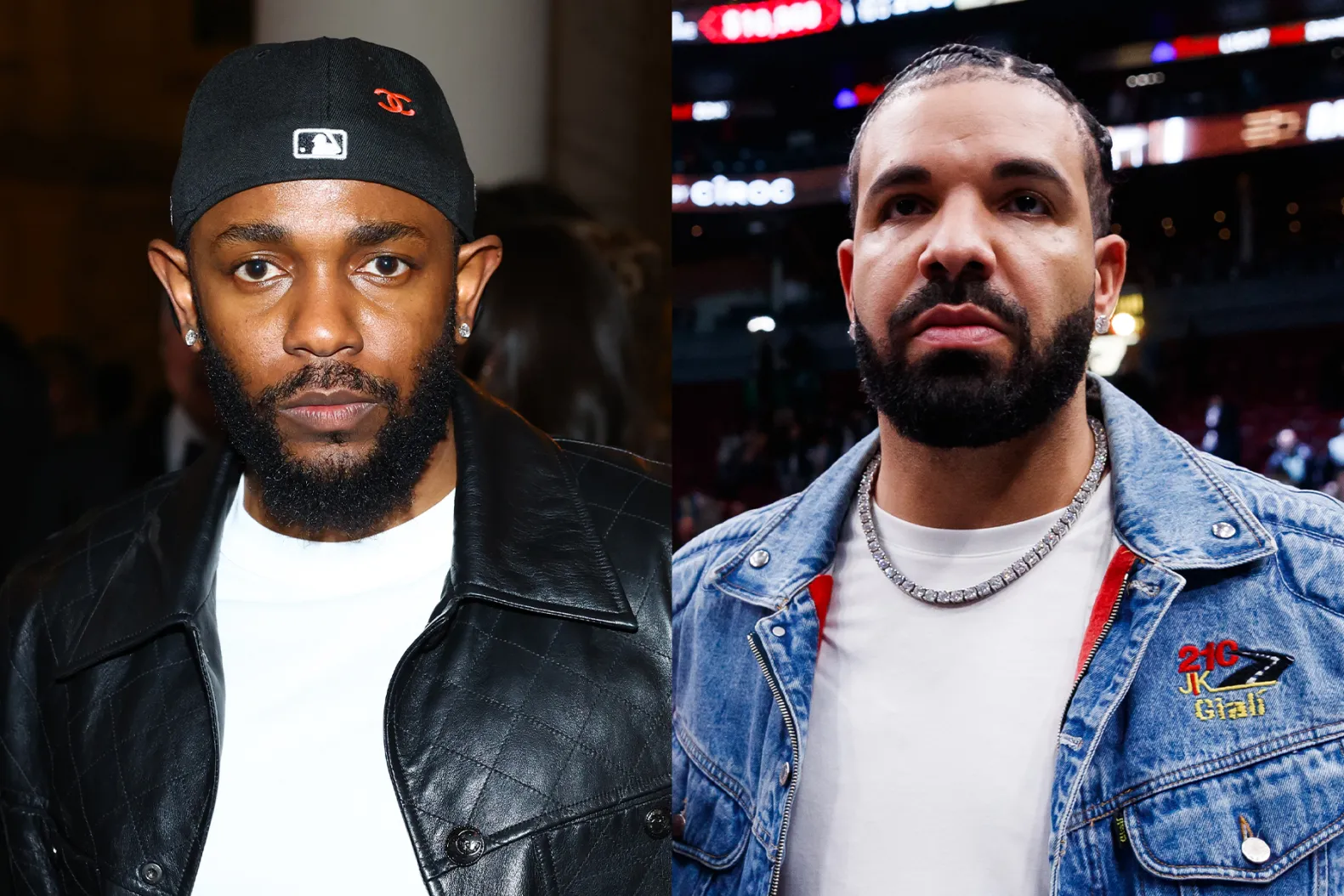
Drake’s defamation lawsuit against Universal Music Group (UMG) has been dismissed by a federal judge, marking a decisive legal win for the m
Drake’s defamation lawsuit against Universal Music Group (UMG) has been dismissed by a federal judge, marking a decisive legal win for the music label amid a high-profile rap feud.
In a ruling issued on October 9, 2025, U.S. District Judge Jeannette Vargas dismissed Drake’s lawsuit against Universal Music Group, which stemmed from the release and promotion of Kendrick Lamar’s diss track “Not Like Us.”
Drake had accused UMG of defamation, claiming the song spread a “false and malicious narrative” by implying he was a pedophile.
However, the judge concluded that the lyrics constituted “non-actionable opinion” and were not legally defamatory.
Judge Vargas emphasised that the track’s content—laden with hyperbole, profanity, and figurative language—was typical of rap diss culture and not meant to be interpreted as factual statements.
She noted that “Not Like Us” was part of an ongoing lyrical battle between the two artists, and that listeners would not reasonably perceive the accusations as sober truths.
The court found that the context of the song, including its tone and genre, rendered the statements legally protected as opinion.
Drake filed the lawsuit in January 2025, targeting both Kendrick Lamar and UMG, the label representing both artists.
The track, released in May 2024, became a cultural phenomenon, winning five Grammy Awards and dominating Lamar’s Super Bowl halftime performance.
Drake’s legal team argued that UMG bore responsibility for distributing and promoting the song, but the court rejected this claim, stating that the label could not be held liable for the artistic expressions of its signed talent.
Following the dismissal, UMG expressed satisfaction with the outcome, calling the lawsuit “an affront to artistic freedom.”
Drake’s camp, however, indicated plans to appeal the decision. The case has reignited debates about the boundaries of free speech in music, especially in the context of rap battles where provocative and exaggerated language is commonplace.
For now, the ruling reinforces the legal precedent that diss tracks, no matter how inflammatory, are protected as artistic opinion rather than actionable defamation.

COMMENTS