
The domestic revenue mobilisation efforts in 2025 have hit a stumbling block, with government revenues for the first seven months of the year falling
The domestic revenue mobilisation efforts in 2025 have hit a stumbling block, with government revenues for the first seven months of the year falling 5% short of target, despite an impressive 22.9% year-on-year growth.
This was revealed in the September 2025 Monetary Policy Report released by the Bank of Ghana (BoG).
The report paints a mixed picture of fiscal management: while revenues underperformed, expenditure was tightly controlled — suggesting that the government’s austerity and spending discipline helped cushion the overall fiscal balance.
According to the BoG report, total revenue and grants as of July 2025 amounted to GH¢116.2 billion, representing 8.3% of GDP, compared to a programmed target of GH¢122.9 billion, or 8.8% of GDP.
This translates into a shortfall of GH¢6.7 billion, roughly 5.5% below expectations.
However, analysts note that the shortfall occurred despite a notable increase in revenue collection compared to the same period in 2024 — a sign that although the government’s tax reforms and digital compliance measures are showing results, external and structural challenges continue to hamper full performance.
Broad-Based Revenue Shortfalls
The report attributes the missed target to broad-based underperformance across most major tax categories. While corporate income taxes from mining and the financial sector surpassed expectations, other key revenue sources — particularly Pay-As-You-Earn (PAYE), import duties, and non-oil tax revenue — failed to meet projections.
PAYE receipts, for example, fell short by 3.5%, a decline linked to reduced mining sector payments as a result of the cedi’s appreciation, which lowered the value of export earnings.
Meanwhile, import duties were down by GH¢1.9 billion, representing a 13% shortfall, due to lower-than-expected CIF (Cost, Insurance and Freight) values of imports. Similarly, the import components of VAT, GETFund levy, and NHIL underperformed by 3.8%, 4.6%, and 5.2%, respectively.
Bright Spots in Domestic Consumption Taxes
Despite the general shortfall, there were some areas of resilience. The domestic components of consumption taxes — including VAT, GETFund levy, and NHIL — exceeded their targets by 2.2%, 14.0%, and 14.8%, respectively.
The surge in domestic VAT collection was largely driven by increased consumer spending following a period of relative price stability and improved purchasing power, partly attributed to the cedi’s sustained appreciation since early 2025.
Expenditure Control and Fiscal Discipline
On the expenditure side, the government recorded spending that was 14.1% below its programmed target.
This reflects what the BoG described as “strong expenditure control,” an outcome that aligns with the broader fiscal consolidation agenda under its IMF-supported Post-COVID Programme for Economic Growth (PC-PEG).
The tight spending measures helped offset the impact of revenue underperformance, preventing a wider fiscal deficit.
Primary Balance Surplus Strengthens Fiscal Position
Perhaps the most encouraging sign in the report is the primary balance surplus of 1.0% of GDP recorded by the end of July 2025 — double the 0.5% target set by the government.
This means that the fiscal operations, excluding interest payments, generated enough revenue to cover expenditure — a key requirement under the IMF programme and a positive signal to international investors.
The report notes that the significant appreciation of the cedi since the start of 2025 has also eased debt servicing costs, improved debt sustainability, and strengthened the country’s external buffers.
Background: Fiscal Balancing Act
The 2025 fiscal year began with cautious optimism.
After a challenging 2023 and a slow recovery in 2024, the government entered the year with ambitious targets to expand its tax base, improve compliance through the Ghana Revenue Authority’s digital tax platforms, and reduce reliance on external borrowing.
However, global economic volatility — including fluctuating commodity prices, reduced import volumes, and tighter external financing conditions — has placed strain on domestic revenue mobilisation efforts.
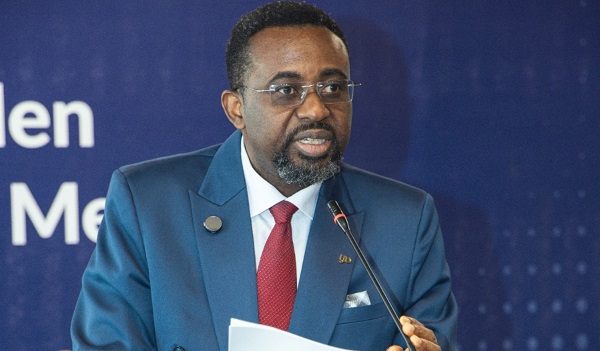
The Bank of Ghana, under Governor Dr. Johnson Asiama, continues to emphasize the need for balanced fiscal management, warning that sustained discipline will be critical to maintaining macroeconomic stability ahead of the 2026 budget cycle.

COMMENTS