
President, John Dramani Mahama, has announced his intention to file a formal motion at the United Nations next year, seeking to have slavery officiall
President, John Dramani Mahama, has announced his intention to file a formal motion at the United Nations next year, seeking to have slavery officially recognized as one of the greatest crimes against humanity.
The move, he says, is not a call for charity but a demand for justice and restoration for Africa and its descendants across the world.
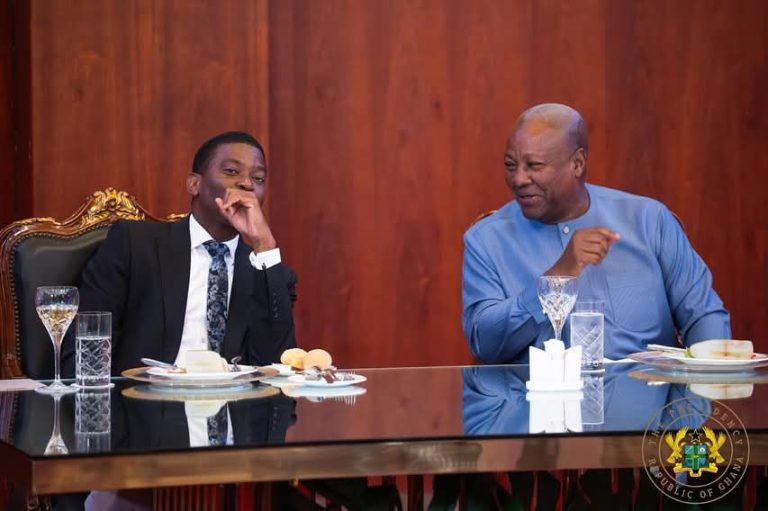
The announcement came during a private garden conversation between President Mahama and the Prime Minister of Grenada, Dickon Mitchell.
The two leaders discussed Africa and the Caribbean’s shared history of colonial exploitation, slavery, and the lasting socio-economic inequalities that continue to affect their people.
President Mahama’s initiative stems from his new role as the African Union Champion for Reparations, a position that tasks him with spearheading the continent’s campaign for historical accountability and reparative justice for the transatlantic slave trade.
According to him, the moral debt owed to Africa and its diaspora has never been adequately addressed, despite centuries of suffering and systemic marginalization.
During the meeting, President Mahama reiterated his belief that slavery represents one of the darkest chapters in human history—a crime whose consequences remain visible in global inequality, racism, and underdevelopment across African and Caribbean nations.
He emphasized that Ghana’s proposed motion at the UN is meant to trigger a broader international reckoning and legal acknowledgment of the atrocities committed against millions of Africans who were forcibly taken into bondage.
“I see this cause not as a plea for charity, but as a demand for justice and restoration,” Mahama asserted, expressing confidence that Grenada and other Caribbean nations will rally behind Ghana’s initiative when it is tabled before the United Nations.
Prime Minister Dickon Mitchell, who has been a vocal advocate for reparatory justice in the Caribbean, expressed solidarity with Mahama’s vision.
Both leaders agreed that the fight for reparations is not merely about financial compensation but about healing historical wounds, promoting equality, and reclaiming the dignity of African peoples worldwide.
Ghana has historically been at the forefront of the reparations debate. Under the leadership of former presidents such as Kwame Nkrumah and Jerry John Rawlings, the country has consistently advocated for African unity and justice for descendants of the enslaved.
John Mahama’s current initiative therefore represents a continuation of that legacy—one that seeks to turn moral advocacy into concrete international action.

COMMENTS