
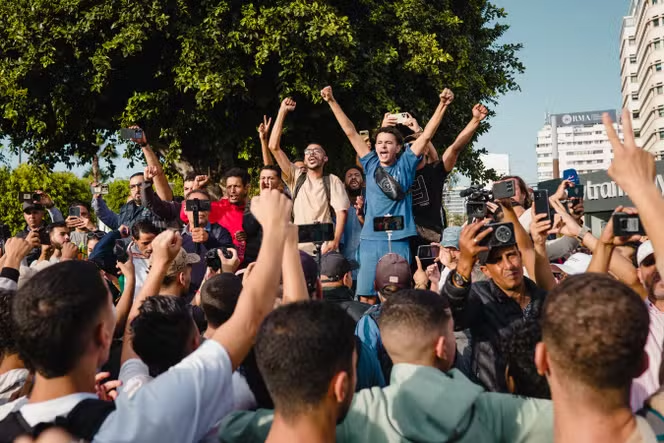
The GenZ 212 protests, led predominantly by young Moroccans, erupted across the country in early October, demanding improved public services and an en
The GenZ 212 protests, led predominantly by young Moroccans, erupted across the country in early October, demanding improved public services and an end to corruption.
The largely peaceful demonstrations quickly drew the attention of authorities due to their scale and intensity.
Despite bans on public gatherings, thousands took to the streets in cities like Rabat and Agadir, voicing frustration over systemic issues that have long plagued Morocco’s youth.
According to the Moroccan Association for Human Rights (AMDH), more than 1,500 people are now facing legal action, with around 1,000 currently in custody.
Courts have already sentenced hundreds, including 240 individuals in Agadir alone.
Of those, 39 received prison terms ranging from six to fifteen years. Charges include organising unauthorised protests, possession of weapons, property damage, and assaulting security forces.
The severity of these sentences has sparked concern among human rights advocates, who argue that the response is disproportionate and risks stifling legitimate dissent.
Souad Brahma, president of AMDH, has called on Moroccan authorities to ensure fair trials and impartial investigations into the events surrounding the protests.
She emphasised the need for transparency and accountability, especially given the widespread public support for the demonstrators’ demands.
The NGO also urged the government to address the root causes of the unrest rather than resorting to punitive measures, warning that repression could further alienate Morocco’s youth.
The GenZ 212 movement has highlighted a generational shift in Moroccan civil society, with young people increasingly using digital platforms to mobilise and advocate for change.
While the government’s crackdown may temporarily suppress the protests, the underlying grievances remain unresolved.
As legal proceedings continue, the international community and domestic observers will be watching closely to see whether Morocco upholds democratic principles or deepens its authoritarian tendencies.

COMMENTS