
The Minority in Parliament has launched a scathing attack on the Mahama administration over what it describes as a deliberate attempt to “criminalize
The Minority in Parliament has launched a scathing attack on the Mahama administration over what it describes as a deliberate attempt to “criminalize free speech and silence dissent” through the proposed amendments to the Cybersecurity Act.
According to the opposition lawmakers, the draft amendment — which reportedly seeks to penalize “offensive or inciteful comments” made in online chat groups — represents a dangerous regression from the country’s long-standing commitment to democratic freedoms and media liberty.
Controversy
The brewing debate traces back to President John Dramani Mahama’s declaration in September 2025 of a nationwide crackdown on hate speech and incitement.
Speaking during his first major media encounter since returning to power, President Mahama warned that individuals using social media or online platforms to spread divisive or violent rhetoric would be tracked and prosecuted.
“We can find you. Those doing hate speech, we will use your IP number to trace you and deal with you under the criminal code,” the President said at the time.
Following his comments, the Ministry of Communication, Digital Technology and Innovation, led by Sam George, disclosed that a National Misinformation and Disinformation Bill was being drafted to curb what the government described as the “deliberate spread of harmful or false digital content.”
The Minister defended the initiative as a national security measure rather than a censorship tool, arguing that, “Where your right to free expression ends, your duty not to misinform begins.”
Minority Raises the Alarm
However, the Minority contends that the so-called cybersecurity amendment is part of a broader pattern of government overreach designed to muzzle opposition voices and critical media.
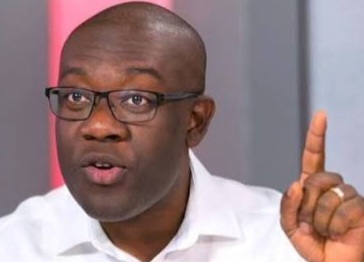
Former Information Minister and MP for Ofoase-Ayirebi, Kojo Oppong Nkrumah, described the draft law as “dangerous and unnecessary”, warning that it could reverse the progress in promoting freedom of speech.
“What we are seeing appears to be a draft that they want to consult on. From what I’ve seen as a former Information Minister, this draft is dangerous, though not surprising,” Oppong Nkrumah said.
“The President himself announced that he would use national security apparatus to go after people who make comments on social media they consider unfavorable. It’s not surprising that his minister is now following up with a draft bill containing such wild provisions.”
He reminded the government that Ghana had already moved away from criminalizing speech, citing the landmark repeal of the Criminal Libel and Sedition Law by the Kufuor administration in 2001 — a reform that decriminalized defamation and expanded media freedoms.
“Instead of repealing the few outdated laws that still criminalize speech — such as the publication of false news — the government now wants to create new offences for what it calls ‘offensive comments’ in chat groups. This is a dangerous encroachment on free speech,” he emphasized.
Arrest of NPP Chairman Deepens Concerns
The Minority’s criticism also follows the controversial arrest of Kwame Baffoe (Abronye), the NPP’s Bono Regional Chairman, who was charged with publication of false news and offensive conduct conducive to breach of peace.
The NPP accused the Mahama administration of using state security agencies to intimidate political opponents and restrict online discourse.
In a statement signed by its General Secretary, Justin Kodua Frimpong, the party described the government’s new posture as “a return to the dark days before the repeal of the criminal libel law.”
“It is worrying that the Mahama government is using the police to erode democratic gains and silence critical voices. Criminalising speech has no place in a democracy,” the statement read.
Government Defends Policy Amid Growing Backlash
Despite the backlash, government spokespersons insist that the new cybersecurity framework aims to safeguard the digital space from hate speech, fake news, and extremist content that could incite violence, particularly during election periods.
They argue that the state has a responsibility to balance free speech with public safety — especially in light of recent violent clashes in the Savannah Region, which left over 30 people dead and displaced thousands.
However, civil society groups, journalists, and opposition MPs remain skeptical, warning that vague definitions of “offensive” or “inciteful” speech could allow authorities to target critics at will.
Oppong Nkrumah summed up the opposition’s position succinctly: “The government must tread cautiously. Instead of introducing new laws to criminalize speech, it should rather focus on repealing the few remnants that still threaten free expression.”

COMMENTS