
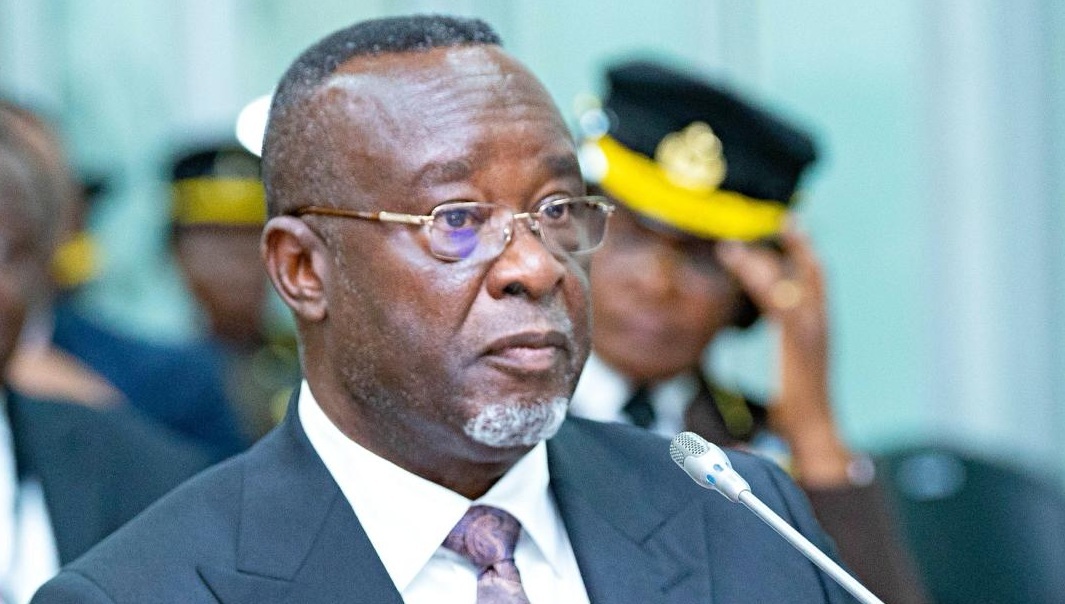
The controversy surrounding the nomination of Justice Paul Baffoe-Bonnie as the next Chief Justice escalated on Thursday, November 13, 2025, as the Mi
The controversy surrounding the nomination of Justice Paul Baffoe-Bonnie as the next Chief Justice escalated on Thursday, November 13, 2025, as the Minority in Parliament formally opposed the appointment, citing unresolved legal cases challenging the removal of former Chief Justice Gertrude Torkornoo.
During the plenary debate on the Appointments Committee’s report recommending Baffoe-Bonnie for confirmation, Sammi Awuku, MP for Akuapem North, urged Parliament to pause the approval process.
He argued that proceeding with the appointment while multiple court cases—including those at the High Court, Supreme Court, and the ECOWAS Court of Justice—remain pending would be legally premature.
Sammi Awuku emphasized that the Minority intends to vote against the nominee, highlighting the potential consequences if the courts ruled against the government after the appointment.
Supporting this stance, Kwame Anyimadu-Antwi, MP for Asante Akim Central, stressed Ghana’s obligation to respect ECOWAS judicial processes, questioning the legitimacy of approving a new Chief Justice before international and domestic court rulings are finalized.
He noted, “We must respect the courts. What happens if all these pending cases go against the government?”
The controversy dates back to the removal of Chief Justice Gertrude Torkornoo, which has sparked seven separate court proceedings.
These legal challenges form the backbone of the Minority’s argument that the current vetting process for Baffoe-Bonnie is premature and potentially undermines judicial independence.
Despite the Minority’s opposition, the Appointments Committee, chaired by Bernard Ahiafor, praised Justice Baffoe-Bonnie’s qualifications, stating that he demonstrated “outstanding competence, deep knowledge of the law, and a firm grasp of judicial ethics” during his vetting on November 10.
Justice Baffoe-Bonnie, who has served at various levels of the judiciary from the High Court to the Supreme Court, outlined a three-pillar agenda for judicial transformation: procedural clarity, efficiency and accountability, and open justice.
He pledged to enhance transparency, accessibility, and confidence in the Judiciary.
The vetting itself was marked by tension. Minority Leader Alexander Afenyo-Markin described Baffoe-Bonnie as a “disputed nominee,” prompting objections from Majority Leader Mahama Ayariga, who insisted there was no dispute regarding the nominee’s credentials.
Justice Baffoe-Bonnie, in his remarks, acknowledged the public skepticism surrounding his appointment and committed to restoring trust in the Judiciary, emphasizing the need for a judiciary that serves all citizens fairly.
The heated debate also prompted a firm statement from Speaker Alban Bagbin, who dismissed claims that the executive branch was influencing the legislative process.
Responding to Anyimadu-Antwi’s assertion of undue executive interference, Bagbin said, “There’s no executive that can control me. Parliament operates independently within the Constitution.”

COMMENTS