
During the presentation of the 2026 Budget Statement and Economic Policy in Parliament, the Minister for Finance, Dr. Cassiel Ato Forson, confirmed th
During the presentation of the 2026 Budget Statement and Economic Policy in Parliament, the Minister for Finance, Dr. Cassiel Ato Forson, confirmed that the Accra–Kumasi Expressway Project remains a cornerstone of the government’s infrastructure agenda, highlighting its transformative potential for Ghana’s southern regions.
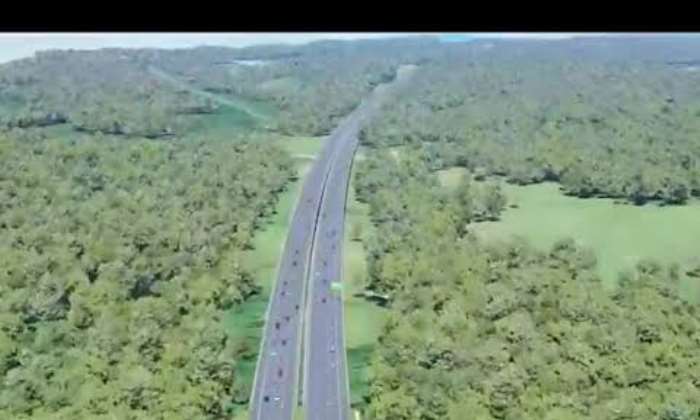
Described as the country’s first true expressway, the corridor will stretch nearly 200 kilometres from the coastal city of Accra to Kumasi, significantly reducing travel times and enhancing trade between the two economic hubs.
The route passes through the Greater Accra, Eastern, and Ashanti regions, touching key towns including Adeiso, Asamankese, Akim Oda, Ofoase, and Kwaso, ensuring that multiple communities benefit from improved connectivity.
The Minister noted that the expressway will feature 23 kilometres of urban connecting roads in Accra and Kumasi, constructed to a 4-lane standard with speeds capped at 60 kilometres per hour, while the 175-kilometre main expressway will be 6 lanes wide and designed for 120 kilometres per hour, enabling faster, safer, and more efficient movement of people and goods.
According to Dr. Forson, the project is not merely a road; it is a strategic investment in the economic growth.
By linking major urban centres and industrial zones, the expressway is expected to stimulate business activity, attract investments, and create jobs along the corridor.
He emphasized that the expressway will strengthen regional integration, facilitate trade, and support sectors such as agriculture, manufacturing, and logistics.
The Finance Minister further highlighted that the Accra–Kumasi Expressway is part of the government’s broader commitment to modernising Ghana’s transport infrastructure and promoting inclusive growth.
By easing congestion on existing highways, the project will also improve safety, reduce travel costs, and enhance productivity for commuters and freight operators alike.
Historically, the Accra–Kumasi route has been a vital artery for commerce, linking the coastal ports to inland markets.
The expressway, Dr. Forson stressed, represents the first step into modern high-speed road networks, reflecting a vision of a 21st-century transport system capable of supporting national development objectives.
With construction underway, the Minister concluded that the Accra–Kumasi Expressway will stand as a symbol of the commitment to progress, connectivity, and economic transformation, delivering tangible benefits to millions of Ghanaians across the southern regions.

COMMENTS