
The National Petroleum Authority (NPA) has intensified preparations toward implementing the government’s 24-hour economy policy within the petroleum d
The National Petroleum Authority (NPA) has intensified preparations toward implementing the government’s 24-hour economy policy within the petroleum downstream industry, beginning with a pilot project in the Osu enclave this December.
The move forms part of ongoing national efforts to transition key economic sectors into a round-the-clock operational model aimed at boosting productivity, improving service delivery, and expanding job opportunities
The initiative follows months of consultations between government agencies and industry players since the 24-hour economy agenda was formally announced as a flagship economic reform programme.
The petroleum downstream sector—comprising fuel distribution, retailing, and related services—has been identified as one of the critical sectors requiring early adaptation due to its direct link to transport, commerce, and national energy security.
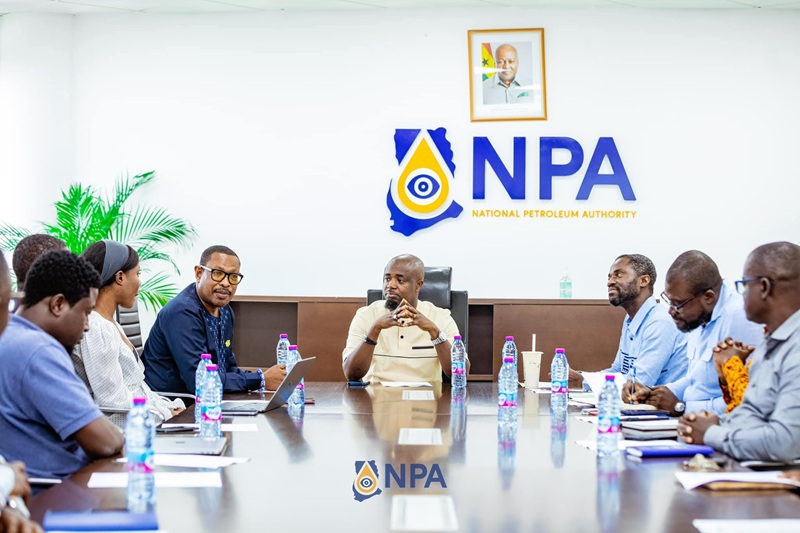
At a strategic meeting held on November 20, the NPA convened executives of the 24-Hour Economy Secretariat alongside major industry stakeholders to harmonize plans for the December rollout.
The discussions focused on operational preparedness, expected challenges, and lessons that would guide a future nationwide expansion.
According to officials, the Osu pilot seeks to test systems, identify security and logistical gaps, and determine the viability of continuous operations in fuel retailing and allied services.
Chairing the meeting, NPA Chief Executive, Mr. Godwin Kudzo Tameklo Esq., stressed that security remains central to the success of the initiative.
He emphasized the need for strong collaboration with the Ghana Police Service, noting that night-time operations in the petroleum sector require enhanced protection, risk assessments, and clear operational protocols.
He assured stakeholders that the Authority would work closely with the police to develop appropriate guidelines to safeguard staff, customers, and assets during extended service hours.
The meeting drew participation from representatives of Oil Marketing Companies (OMCs), the Chamber of Oil Marketing Companies (COMAC), executives of the 24-Hour Economy Secretariat, and technical staff of NPA.
The Stakeholders expressed readiness to support the pilot phase, describing it as an essential step toward modernizing the petroleum retail environment and aligning the sector with global best practices.
The pilot project is expected to provide valuable insights that will shape the full-scale implementation of the 24-hour economy across the petroleum downstream industry in the coming months.

COMMENTS