
A fresh wave of community resistance has erupted in the Central Region as traditional leaders from Ewoyaa, Krampakrom, and surrounding communities fir
A fresh wave of community resistance has erupted in the Central Region as traditional leaders from Ewoyaa, Krampakrom, and surrounding communities firmly reject government’s decision to reduce Ghana’s lithium royalty rate from 10% to 5%.
The chiefs describe the revised rate as a betrayal of affected communities and a threat to local development, intensifying the controversy surrounding the country’s first major lithium mining project.
Government Slashes Royalty After Investor Request
The government’s reduction in royalty follows a formal request from Barari Ghana Limited, operators of the Ewoyaa lithium project, who argued that the global crash in lithium prices has made the initial 10% royalty economically unsustainable.
The company pushed for a review of the fiscal terms, leading to the Lands Ministry to revise the rate to the legally mandated 5% under the Minerals and Mining Act.
However, the affected traditional leaders say they were blindsided by the decision.
Communities Say Consultation Was Superficial
Traditional authorities revealed that they only became aware of the consultation process when a public notice inviting stakeholder inputs appeared in the newspapers.
This coincided with a Resource Index Dashboard training workshop on November 26, organized by Friends of the Nation, in partnership with the Africa Centre for Energy Policy (ACEP).
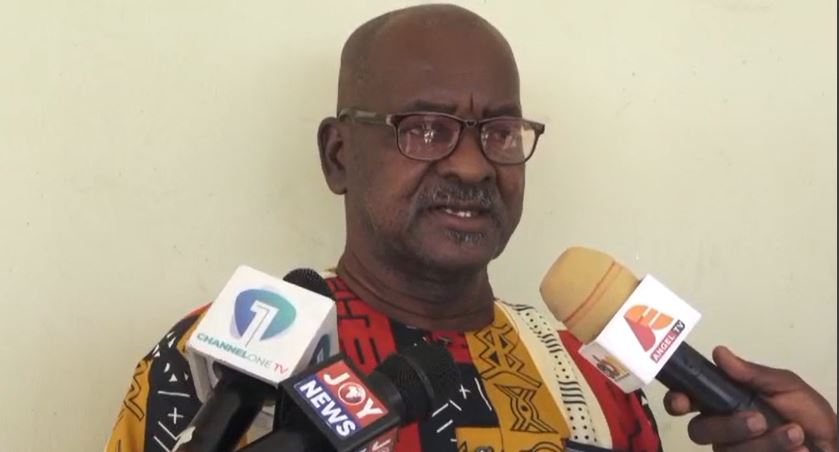
Speaking to Citi News, Charles Paa Grant, secretary to the chief of Krampakrom, expressed deep frustration over the lack of meaningful engagement.
“We should stick to the 10%. They haven’t explained whether the reduction is temporary or long-term. If prices rise again, will they reverse it? Insisting on 5% is nothing but short-changing us,” he said.
Grant emphasized that communities expected higher royalties to guarantee adequate compensation and future development projects, especially since mining activities would significantly disrupt local livelihoods.
A Deal Mired In Doubt And Market Uncertainty
The Ewoyaa lithium agreement has faced multiple rounds of renegotiation since its introduction in 2023. Initially hailed as the entry into the global electric vehicle mineral supply chain, the project was promoted with a 10% royalty—an unprecedented rate compared to gold and other minerals.
But the global collapse in lithium prices—falling by more than 70% since 2022—prompted Barari Ghana Limited to request a downward revision, arguing that the project risked becoming unviable.
This adjustment triggered political friction in Parliament, where Minority MPs accused government of conceding too much ground to the foreign investor.
Majority MPs later disclosed that the original 10% royalty had no legal basis, as Act 703 fixes mining royalties at 5%.
While Parliament continues to debate the revised lease, tensions are now boiling over at the community level.
Communities Fear Loss of Development Benefits
Traditional leaders argue that the reduction in royalty significantly undermines the financial expectations of communities whose lands will be directly affected by mining. Local chiefs had anticipated that the initial 10% rate would translate into better roads, schools, water systems, and social infrastructure.
The shift to 5%, they say, drastically weakens the financial projections for these long-awaited projects.
Farmers Feeling the Impact of Mining Preparations
Beyond the royalty debate, residents—many of them farmers—say they are already experiencing disruptions from pre-mining activities.
“They stopped us from working,” a worried resident lamented. “We have not been farming since last year.
They have deprived us of building, farming, and doing many other things. What are we supposed to do in the meantime? Are they going to compensate us?”
Communities report that farmlands have been cordoned off, crop cultivation halted, and plans for expansion and construction frozen—all without clear timelines for compensation or resettlement.

COMMENTS