
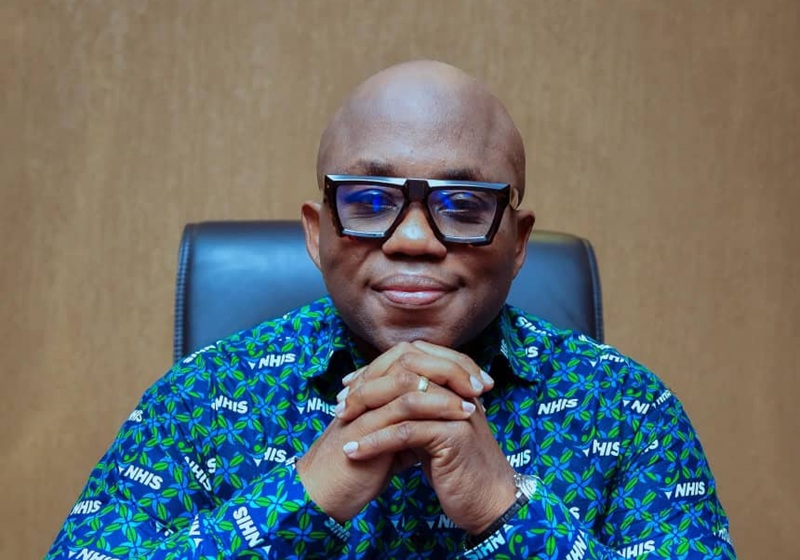
The National Health Insurance Authority (NHIA) is moving to address long-standing funding gaps within Ghana’s healthcare system as its Chief Executive
The National Health Insurance Authority (NHIA) is moving to address long-standing funding gaps within Ghana’s healthcare system as its Chief Executive Officer, Dr. Victor Asare Bampoe, confirms that a proposed 120 percent increase in service tariffs is awaiting final approval.
The adjustment—described as one of the most comprehensive evaluations in recent years—comes at a time when public outrage continues to grow over illegal fees charged in hospitals, a situation health providers attribute to outdated and inadequate NHIA tariffs.
Speaking on Channel One TV’s The Point of View, Dr. Bampoe explained that the tariff proposal is the result of extensive technical work carried out by an independent expert committee, established under Sections 33 and 34 of the National Health Insurance Act.
These provisions require the Authority to annually review both medicines and service tariffs—a responsibility that has suffered delays over the past decade, often leaving hospitals to grapple with prices that no longer reflect current economic realities.
The medicines tariff review, he noted, has already been completed.
However, the broader service tariff review initiated in 2022 took longer because it required a full-scale reassessment of clinical service costs nationwide.
“This was a really comprehensive one,” Dr. Bampoe said, explaining that the review team needed more time to analyse cost trends, provider claims, inflationary pressures, and the financial sustainability of the scheme.
Currently, the proposed 120% upward adjustment has been submitted to the NHIA Board and is awaiting the Health Minister’s assent.
Dr. Bampoe made it clear that implementation hinges solely on these statutory approvals: “We have done the work… Now it has to go to the Board and then to the Minister of Health. Once they give their approval, we will implement it.”
The push for a tariff overhaul comes against the backdrop of renewed public scrutiny over illegal out-of-pocket fees, which many patients are forced to pay at hospitals despite holding valid NHIS cards.
Dr. Bampoe admitted that the issue had reached troubling levels, undermining the Authority’s commitment to making healthcare affordable and accessible.
He highlighted that health service providers frequently argue that NHIA tariffs do not match current operational costs—fueling their justification for charging unofficial fees.
He said the NHIA is implementing a three-point operational vision aimed at improving the patient experience across health facilities. Eliminating illegal payments forms a major component of this agenda.
“In many hospitals, patients are being asked to pay out-of-pocket. Providers say the tariffs are not realistic, and that’s why this is happening. We believe that once we pay realistic tariffs, there will be no excuse for this behaviour.”
The proposed 120% adjustment, the NHIA hopes, will help restore trust in the system, reduce provider agitation, and protect millions of NHIS members from financial exploitation. With active NHIS membership projected to hit 21 million by the end of the year, the stakes could not be higher.

COMMENTS