
The Upper West Region is facing a mounting healthcare crisis as 25 out of 32 newly allocated medical doctors for the 2025/2026 service period have ref
The Upper West Region is facing a mounting healthcare crisis as 25 out of 32 newly allocated medical doctors for the 2025/2026 service period have refused to report to their assigned duty stations.
The mass refusal has intensified the chronic shortage of healthcare personnel in a region already struggling to meet the medical needs of its nearly one million residents.
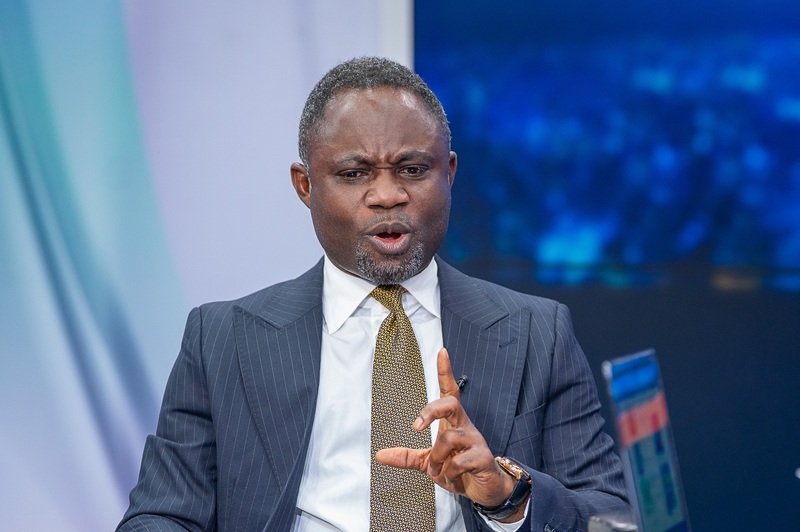
The Upper West Regional Director of Health Services, Dr. Joshephat Nuzagl, described the situation as “extremely worrying,” noting that the refusal of more than 78% of newly posted doctors threatens to further compromise healthcare delivery in the region.
According to Dr. Nuzagl, the new allocation was intended to bridge critical staffing gaps in district and municipal health facilities, but the current situation has left health administrators scrambling for solutions.
Currently, the region manages with only 55 active doctors to cater to its population, translating to an average of one doctor per 18,181 residents—far above the World Health Organization’s recommended doctor-to-patient ratio for effective primary care.
The refusal of the newly posted doctors, therefore, undermines efforts to ease this overwhelming burden and leaves communities at risk of delayed medical attention and compromised healthcare outcomes.
Dr. Nuzagl confirmed that the regional health administration is actively engaging in remedial efforts, including persistent outreach to the doctors who have yet to report.
“We are pleading with the doctors to accept their postings,” he said, “so that we can ensure equitable access to quality healthcare across the region.”
The Ministry of Health has emphasized that postings are crucial to the fair distribution of medical personnel, particularly in underserved areas such as the Upper West Region.
The reluctance of doctors to accept postings in northern and remote regions of Ghana is not new.
Health professionals frequently cite factors such as inadequate infrastructure, lack of quality housing, limited access to specialized medical equipment, professional isolation, and insufficient social amenities for families as reasons for refusal.
These challenges have historically contributed to uneven distribution of medical personnel across the country, leaving northern and rural communities underserved.
Authorities are calling on local leaders, community members, and families to support incoming medical officers in order to facilitate successful integration into these underserved communities.

COMMENTS