
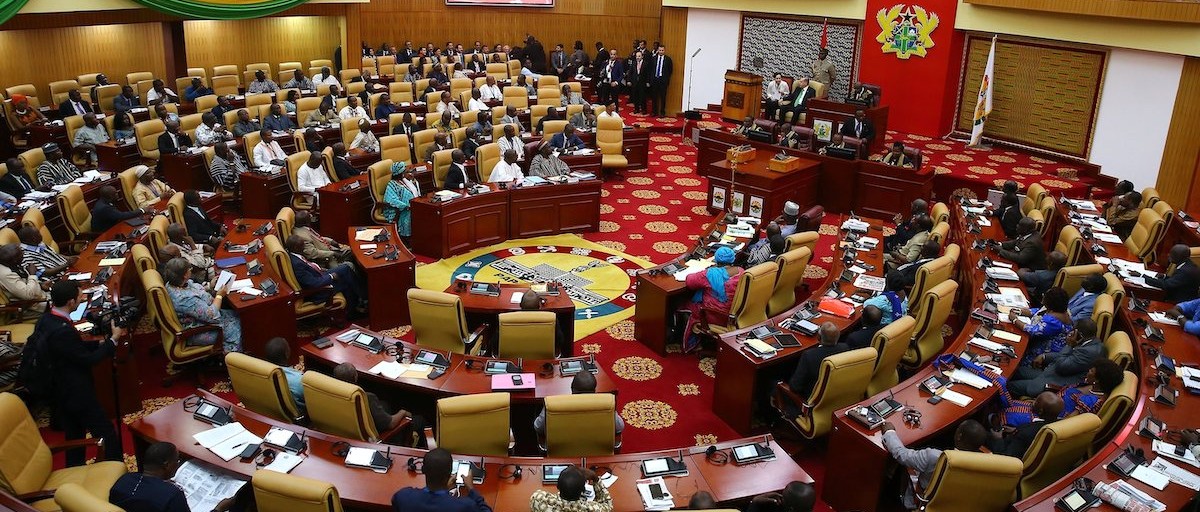
Parliament is scheduled to resume sittings on Tuesday, February 3, 2026, ushering in the Second Session of the Ninth Parliament of the Fourth Republic
Parliament is scheduled to resume sittings on Tuesday, February 3, 2026, ushering in the Second Session of the Ninth Parliament of the Fourth Republic after weeks of recess.
The reopening marks a return to full legislative activity following the conclusion of the House’s first session and the customary end-of-year break.
The Speaker of Parliament, Alban Sumana Kingsford Bagbin, formally announced the resumption through a Constitutional Instrument issued on January 19, 2026.
Acting under the authority granted him by Article 112(1) of the 1992 Constitution, the Speaker fixed 12:00 noon on February 3 as the official time for Members of Parliament to reconvene at the Parliament House in Accra.
The instrument, which has been circulated to all lawmakers, directs MPs to present themselves at the Chamber to resume parliamentary business in line with constitutional requirements.
The Speaker’s directive effectively ends the recess period and activates the legislative calendar for the new session.
The Second Session is expected to be a particularly significant phase of the Ninth Parliament, as it provides the platform for government to advance its legislative agenda for the year.
Key activities are anticipated to include the introduction and consideration of new bills, the continuation of debates on pending legislation from the First Session, approval of executive nominations, and the intensification of Parliament’s oversight responsibilities over ministries, departments and agencies.
Historically, second sessions of Parliament are critical in shaping policy direction, as governments often use the period to consolidate programmes announced earlier and to push forward priority reforms.
With several matters carried over from the previous session, lawmakers are expected to engage in rigorous debates and committee work aimed at addressing national economic, social and governance concerns.
The Ninth Parliament, inaugurated following the most recent general elections, has already experienced a demanding first session characterised by the formation of committees, early legislative activity and heightened scrutiny of executive actions.
The resumption in February is therefore seen as a continuation of Parliament’s constitutional mandate to legislate, represent the interests of citizens, and hold the executive accountable.
All Members of Parliament are expected to be present for the reopening, as the House formally transitions from recess back into active service of the Republic.

COMMENTS