
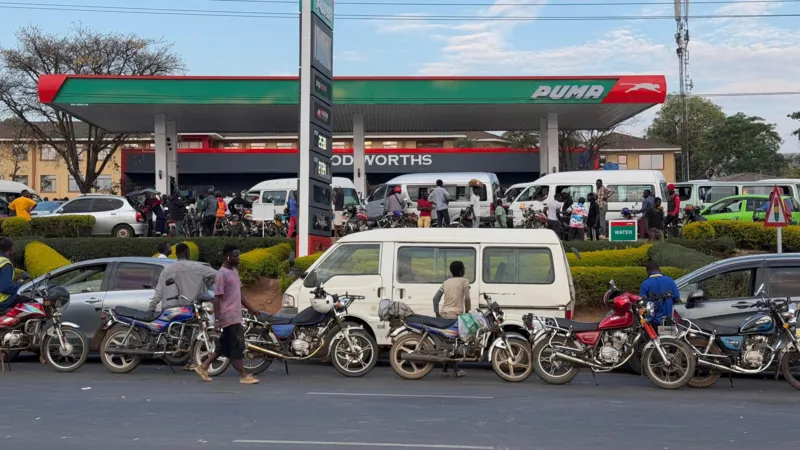
Malawi has sharply increased fuel prices by over 40%, with petrol and diesel now costing nearly K5,000 ($2.88 to $2.90) per litre, a move that has tri
Malawi has sharply increased fuel prices by over 40%, with petrol and diesel now costing nearly K5,000 ($2.88 to $2.90) per litre, a move that has triggered widespread concern among households, businesses, and transport operators.
The Malawi Energy Regulatory Authority (MERA) announced the new adjustment effective January 20, 2026, citing international oil market volatility, foreign exchange shortages, and rising import costs as the main drivers.
Petrol prices have surged from K3,499 to K4,965 per litre, representing a 41.9% increase, while diesel has climbed from K3,500 to K4,945 per litre, a 41.3% jump.
This marks the second major hike in less than six months, intensifying the financial strain already felt by Malawians grappling with inflation and a high cost of living.
The regulator explained that the increase was triggered by the Automatic Pricing Mechanism (APM), which requires adjustments whenever the landed cost of fuel shifts beyond a ±5% threshold.
Analysts note that the fixed pricing system previously used had become unsustainable, leading to significant financial losses for the government and fuel importers.
President Peter Mutharika’s administration, which returned to power last year, has defended the move as necessary to stabilize the economy, though critics warn it risks worsening poverty levels and undermining recovery efforts.
The impact of the hike is expected to ripple across the economy. Transport fares are likely to rise sharply, food prices could escalate due to higher logistics costs, and small businesses may struggle to absorb the shock.
Civil society groups have already voiced concern, urging authorities to cushion vulnerable households through targeted subsidies or social protection measures.
Economists caution that without broader reforms to strengthen foreign exchange reserves and diversify energy sources, Malawi may continue to face recurring fuel crises that erode public confidence and economic stability.

COMMENTS