
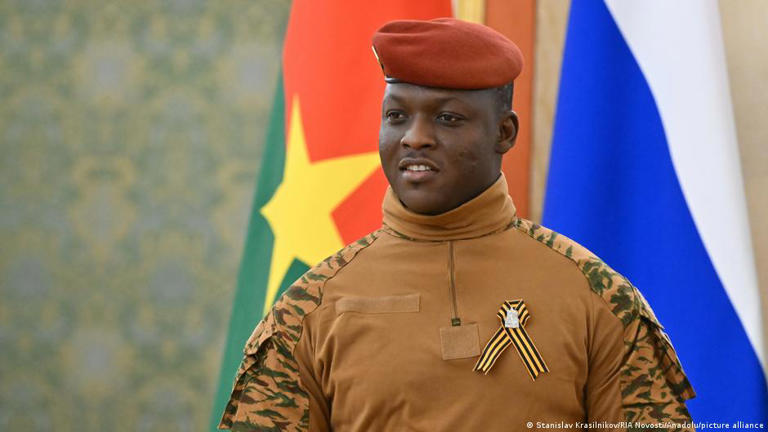
Burkina Faso’s military-led government on Thursday dissolved all political parties by decree, escalating a clampdown on the country’s political space
Burkina Faso’s military-led government on Thursday dissolved all political parties by decree, escalating a clampdown on the country’s political space and marking a major shift in the transitional authorities’ control over public life.
“The government believes that the proliferation of political parties has led to abuses, fueled divisions among citizens and weakened the social fabric,” cabinet minutes said, summarizing the rationale for the measure. The decree also scraps party statutes and financing rules, abolishes the official post of the opposition leader and transfers all party assets to the state. A bill implementing those changes will be submitted to the transitional council for approval.
What changed
Context and background
Burkina Faso has been under military rule since a series of coups in 2022 that removed two successive civilian leaders. The current transitional authorities, who justify their takeover by citing a deteriorating security situation and chronic state weakness, have introduced multiple measures restricting civic and political freedoms since assuming power.
The country has been battling a persistent Islamist insurgency since 2015 that has weakened state institutions, displaced large numbers of people and contributed to political instability. The junta says sweeping reforms, including reducing the number of partisan actors, are needed to restore order and rebuild governance — an argument critics say is being used to sideline opponents and delay a return to civilian rule.
Domestic and international response
Domestic political figures and civil society groups have condemned the dissolution as a further erosion of democratic space and warned it could undermine prospects for a credible transition back to elected government. Opposition leaders now face legal and financial exclusion, and party activists risk prosecution under the new framework.
International partners have repeatedly expressed concern about Burkina Faso’s post‑coup trajectory, urging a clear timeline for a return to civilian rule in past statements. Analysts say the dissolution risks deepening the country’s isolation, potentially affecting development aid, international cooperation on security and diplomatic relations with regional and Western partners.
Regional dynamics
The move comes amid a broader pattern in the Sahel, where several countries that have undergone coups in recent years have tightened controls on political opposition and civil society. Observers say this risks fragmenting regional responses to shared security challenges and complicating cooperation with neighbouring states and multilateral organisations.
What’s next
The decree must be turned into law by the transitional council; details on enforcement, timelines for asset seizures or penalties for party leaders have not been released. Human rights groups and opposition figures have called for independent oversight of any legal changes and for an immediate clarification of the transitional timeline toward elections.
Political analysts say the dissolution could be a precursor to a longer period of military rule or a reconfigured political landscape in which civic groups and newly created pro‑transitional organisations replace traditional parties. How regional bodies, international donors and Burkina Faso’s citizens respond will shape whether the decree cements a new, closed political order or becomes another contested episode in the country’s volatile transition.

COMMENTS