
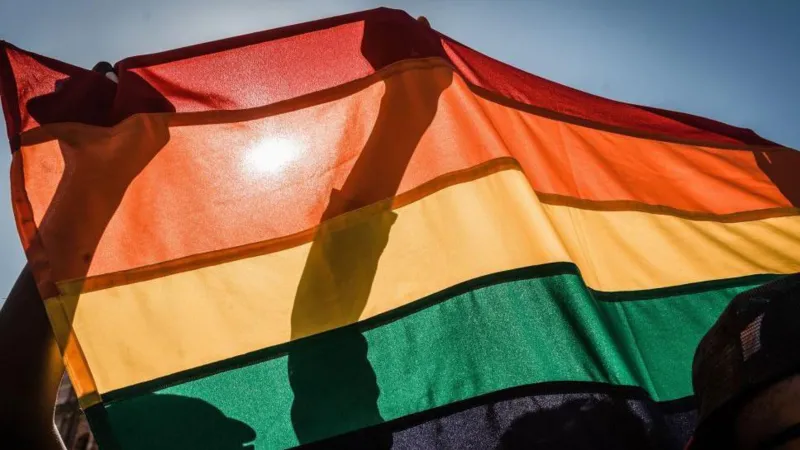
Senegal’s Prime Minister Ousmane Sonko has introduced a controversial bill that seeks to toughen existing anti-LGBT legislation in the c
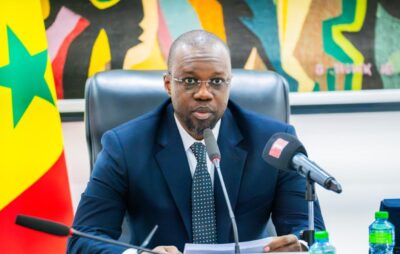
Senegal’s Prime Minister Ousmane Sonko has introduced a controversial bill that seeks to toughen existing anti-LGBT legislation in the country.
The proposal, recently approved by cabinet and submitted to parliament, would double the maximum prison sentence for same-sex relations from five years to ten.
Sonko told lawmakers that “acts against nature” would now carry penalties ranging from five to ten years, with the harshest punishment reserved for cases involving minors.
This move comes amid a surge of arrests in Senegal, where homosexuality is already criminalised under the current law.
The announcement has sparked widespread concern among human rights organisations, who argue that the legislation represents a deepening crackdown on LGBT communities in the West African nation.
Reports indicate that dozens of people have been detained in recent weeks, including public figures and journalists, accused of engaging in same-sex relationships.
Rights advocates warn that the proposed law will further marginalise vulnerable groups and intensify discrimination, while critics highlight that Senegal’s stance runs counter to global calls for greater protection of sexual minorities.
Supporters of the bill, however, frame it as a defence of cultural and religious values in a predominantly Muslim country.
Prime Minister Sonko emphasised that the legislation reflects Senegal’s moral standards and societal norms, insisting that harsher penalties are necessary to deter what he described as unacceptable behaviour.
The debate now shifts to parliament, where lawmakers will decide whether to adopt the proposal.
The outcome will be closely watched both domestically and internationally, as it could mark a significant escalation in Senegal’s legal approach to LGBT rights.

COMMENTS