
The Democratic Republic of Congo (DRC) government reported on Wednesday, March 4, 2026, that more than 200 people were killed in a catastrophic landsl
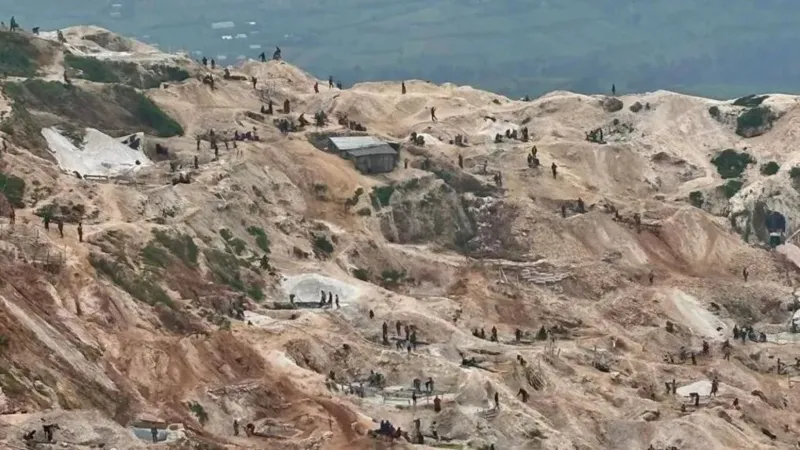
The Democratic Republic of Congo (DRC) government reported on Wednesday, March 4, 2026, that more than 200 people were killed in a catastrophic landslide at the Rubaya coltan mining site in North Kivu province.
The disaster, triggered by exceptionally heavy rains on Tuesday, March 3, buried dozens of miners, market women, and at least 70 children beneath the mud.
While the government provided this provisional death toll, the M23 rebel group, currently controlling the area, has disputed the figures, with some rebel officials claiming as few as six fatalities.
The Rubaya site is a critical hub for coltan production, accounting for roughly 15% of the world’s supply of the mineral essential for smartphones and electronics.
Since the M23 rebels seized the territory in 2024, the mines have operated as informal, artisanal sites with almost no safety oversight.
The DRC’s Ministry of Mines blamed the tragedy on the rebels’ “illegal exploitation” and failure to implement protective measures, noting that the area had already been reclassified as a “red zone” where mining was strictly prohibited.
Rescue efforts remain severely hampered by unstable ground and restricted access due to the ongoing conflict.
This disaster is the second major landslide at the Rubaya site in 2026, following a similar event in late January that also left hundreds dead.
Many of the injured have been evacuated to health facilities in Goma, while the international community faces renewed calls to address the human cost of conflict minerals fueling the global tech supply chain.

COMMENTS