
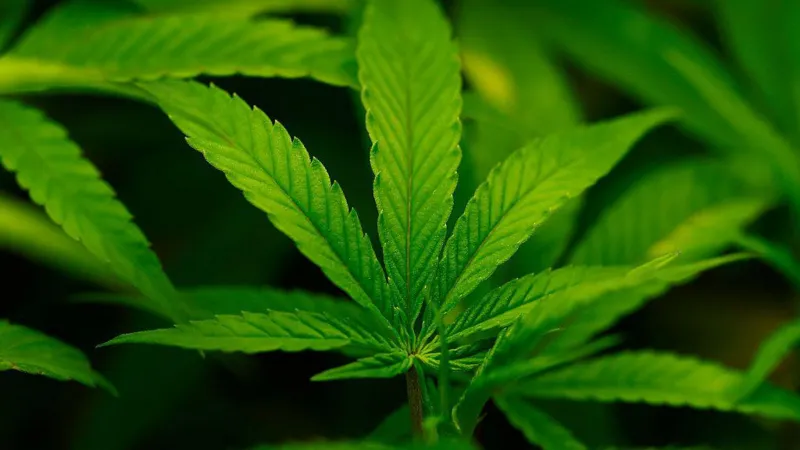
The Trump administration officially moved to reclassify marijuana as a less dangerous substance on April 23, 2026, marking a historic shift in federal
The Trump administration officially moved to reclassify marijuana as a less dangerous substance on April 23, 2026, marking a historic shift in federal drug policy.
Acting Attorney General Todd Blanche signed an order immediately rescheduling FDA-approved and state-licensed medical marijuana from Schedule I to Schedule III.
This change moves cannabis out of the same category as heroin and LSD and into one that includes substances like ketamine and testosterone, acknowledging for the first time at the federal level that the plant has accepted medical applications.
This reclassification is expected to provide a massive boost to the legal cannabis industry by removing the heavy tax burdens imposed by Section 280E of the Internal Revenue Code, which previously prevented businesses from deducting standard operating expenses.
It also significantly reduces barriers for scientific researchers, who can now more easily study the safety and efficacy of the drug for conditions such as chronic pain and seizure disorders. Additionally, the administration announced a new pilot program to reimburse Medicare patients for certain CBD products.
While the move is a major development, it does not fully legalise or decriminalize marijuana for recreational use at the federal level.
Federal law enforcement will continue to handle non-licensed possession and trafficking under existing statutes, and the broader rescheduling of all marijuana—beyond state-licensed medical products—will be subject to a new expedited hearing scheduled for late June 2026.
You can monitor further updates on the Department of Justice website or through the Drug Enforcement Administration.

COMMENTS