
In Mali, jihadist groups have intensified their campaign of violence by enforcing a blockade ahead of the Eid holiday, leaving dozens of vehicles burn
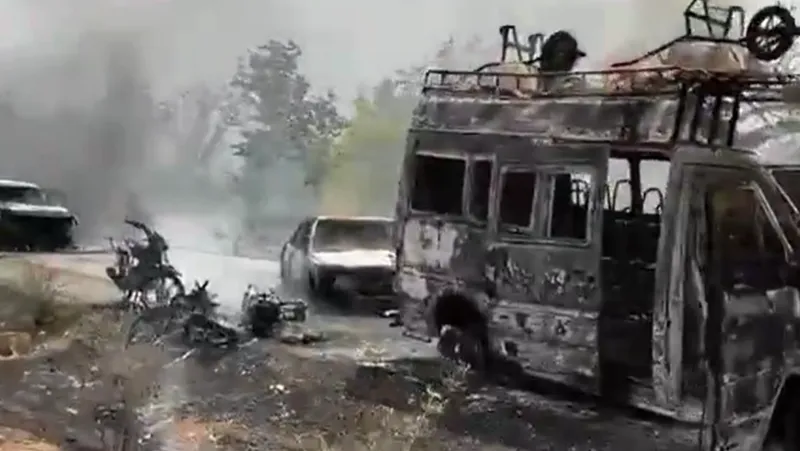
In Mali, jihadist groups have intensified their campaign of violence by enforcing a blockade ahead of the Eid holiday, leaving dozens of vehicles burnt along key roads.
The attacks targeted transport routes, crippling the movement of goods and people, and instilling fear among communities already struggling with insecurity.
These acts are part of a broader strategy by extremist groups to assert control and disrupt daily life in regions where the state’s presence is weak.
The blockade has had devastating consequences for civilians, particularly traders and families preparing for Eid celebrations.
With vehicles destroyed and roads unsafe, access to markets and essential supplies has been severely restricted.
Many residents are now facing shortages of food and fuel, compounding the hardship of communities that rely heavily on road transport for survival.
The timing of the attacks underscores the militants’ intent to undermine social and religious gatherings, striking at the heart of communal life.
This escalation highlights the persistent challenge Mali faces in curbing extremist violence despite ongoing military operations and international support.
The destruction of vehicles not only represents economic loss but also deepens the sense of vulnerability among civilians.
As Eid approaches, the blockade serves as a grim reminder of the militants’ capacity to disrupt peace and stability, reinforcing the urgent need for stronger protection of communities and more effective strategies to counter extremist influence.

COMMENTS