
A major water infrastructure project expected to transform access to potable water across parts of Northern Ghana has moved a significant step closer
A major water infrastructure project expected to transform access to potable water across parts of Northern Ghana has moved a significant step closer to implementation following the signing of a Memorandum of Understanding backed by a €106 million funding package from international development partners.
The long-awaited Damongo–Tamale–Yendi Water Supply Project, which has been discussed for years as a solution to persistent water shortages in northern communities, is now entering a critical preparatory phase after government secured support from the European Union, the European Investment Bank and Invest International.
The project is expected to provide a long-term solution to water supply challenges facing thousands of residents in Damongo, Tamale, Yendi and several communities situated along the transmission corridor.
The latest development was disclosed during stakeholder consultations held in the Savannah Region, where officials of the Ghana Water Company Limited (GWCL) engaged traditional authorities, community leaders and residents on the project’s implementation roadmap.
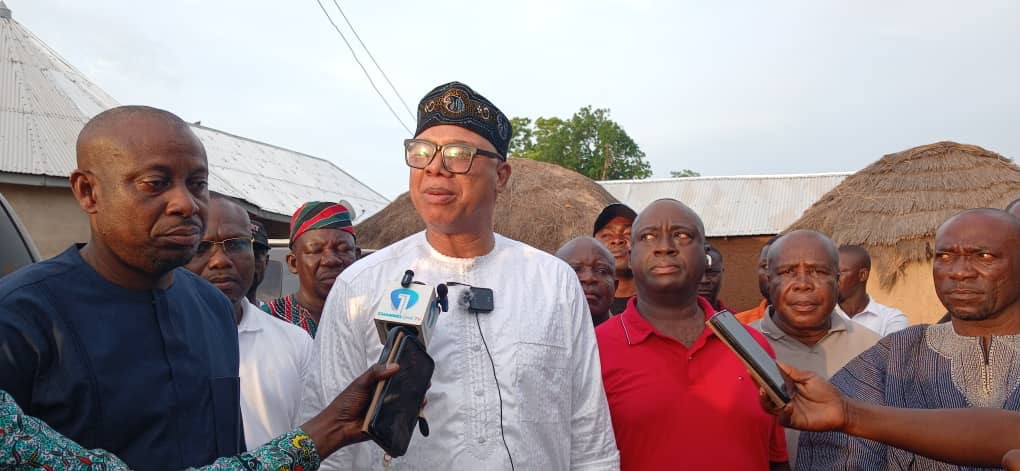
As part of the consultations, the Managing Director of Ghana Water Company Limited, Adam Mutawakilu, paid a courtesy call on the Overlord of the Gonja Traditional Area and other traditional leaders to seek their support and cooperation for the successful execution of the project.
Speaking to journalists after the engagement, Mutawakilu described the initiative as one of the most significant water projects planned for northern Ghana in recent years.
According to him, the project will produce and distribute approximately 135,000 cubic metres of treated water every day to Tamale, Damongo, Yendi and surrounding communities, significantly improving water availability in areas that have experienced recurring supply challenges for decades.
The project forms part of broader efforts by the government to address infrastructure deficits and improve living conditions in northern Ghana, where rapid population growth and urban expansion have increased pressure on existing water systems.
Water shortages have remained a recurring concern in several northern communities, particularly during the dry season when demand often exceeds supply capacity.
Successive governments have attempted various interventions to improve water access, but growing populations and ageing infrastructure have continued to create challenges for service delivery.
Mutawakilu indicated that President John Dramani Mahama has placed special emphasis on resolving the water crisis affecting the beneficiary communities.
“His Excellency John Dramani Mahama, since he came to office, has promised the people of Damongo, Tamale and Yendi that by the time he leaves office, he wants to ensure that we have clean, potable drinking water,” he stated.
He explained that the stakeholder consultations mark the beginning of a comprehensive process aimed at ensuring that all legal, environmental and social requirements are addressed before construction begins.
According to him, the current phase includes Environmental and Social Impact Assessments, right-of-way acquisition, stakeholder sensitisation and compensation arrangements for individuals whose properties may be affected by the project.
The Ghana Water Limited believes these preparatory activities are crucial to preventing disputes and delays that have affected major infrastructure projects in the past.
Mutawakilu stressed that government is determined to avoid situations where construction work is interrupted because project-affected persons have not received compensation.
“We all know that without payment of compensation to project-affected persons, the smooth flow of work by the contractor will be impeded. President Mahama had made it clear that he doesn’t want the work to start and halt because of people claiming that they have not been paid their compensation,” he explained.
The Managing Director disclosed that the Ministry of Finance successfully secured a funding commitment for the project in April 2026, creating the foundation for the next phase of implementation.
According to him, a formal loan agreement linked to the financing package is expected to be signed between September and October this year.

COMMENTS