
Congo's Ebola outbreak is now the deadliest in the country's history and shows no sign of coming under control. Health authorities had recorded 11,
Congo’s Ebola outbreak is now the deadliest in the country’s history and shows no sign of coming under control.
Health authorities had recorded 11,254 confirmed cases, including 5,505 deaths, as of November 12, a case fatality rate of 48.9 per cent.
Africa CDC says the outbreak is still not under control and has warned that, if it is not stopped soon, it would become the worst Ebola outbreak on record.
It already ranks second among all outbreaks and has recorded at least three times the cases and deaths of the 2014-2016 West Africa epidemic over the same period since it was declared.
The speed has been unmatched from the start. It took about nine weeks to record the first 1,000 deaths but only around three weeks to record the next 1,000.
The outbreak is caused by the rare Bundibugyo virus. Officials said it is spreading under extremely difficult conditions, fuelled by insecurity, displacement, a health workers’ strike and heavy population movement.
Authorities believe it was spreading from February, months before it was declared in mid-May. It now affects eight provinces. Ituri accounts for nearly seven in ten infections, and armed violence in the east is hampering access to care.
Many people are dying before they reach a clinic. The WHO noted 335 community deaths among 512 deaths recorded since October 21.
Children are heavily affected. UNICEF says they accounted for 35 per cent of deaths recorded through November 4, and nearly 72 per cent of infected children under 5 have died.
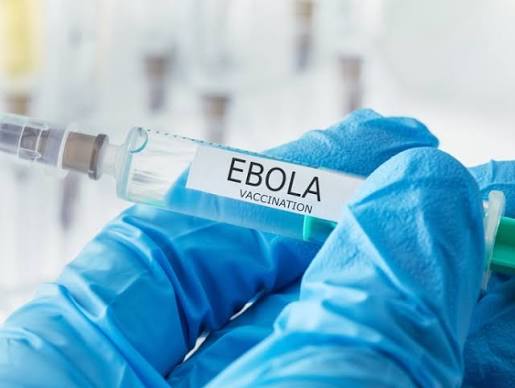
Responders are working without the usual tools. The Bundibugyo virus has no approved vaccine or treatment.
Congo has begun vaccinating front-line workers with Ervebo, which worked in past outbreaks caused by the more common Zaire species, and clinical trials are underway to find a licensed vaccine for Bundibugyo.
Officials believe the true toll is higher than the official count. In July, the WHO estimated that the real number of cases could be two to four times the official figures.
As the outbreak enters its seventh month, the main challenge remains tracking and isolating cases fast enough to slow the spread.

COMMENTS