
In a dramatic and unprecedented ruling, the Confederation of African Football (CAF) Appeal Board has officially stripped Senegal of the 2025 Afric
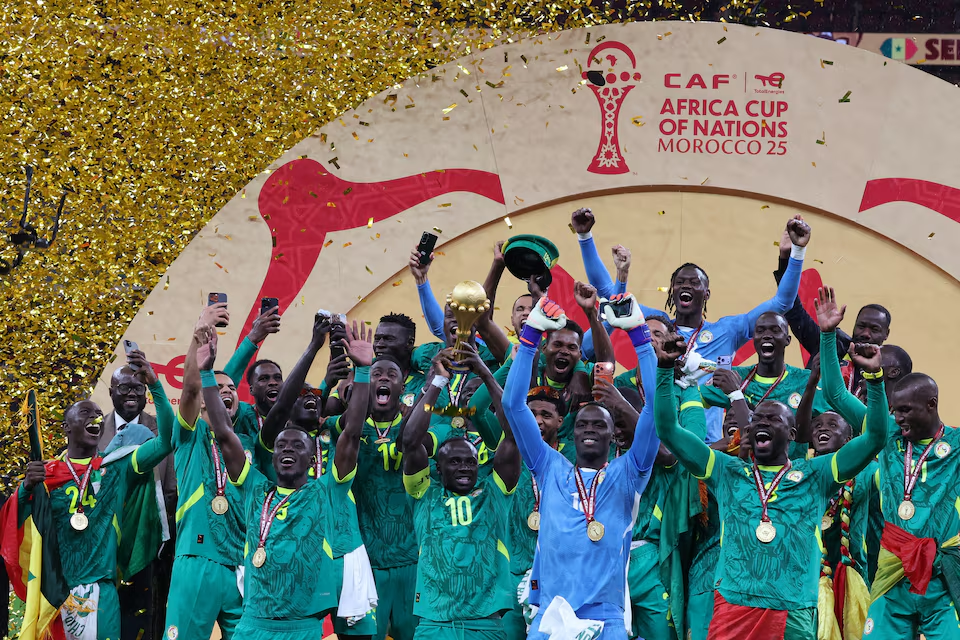
In a dramatic and unprecedented ruling, the Confederation of African Football (CAF) Appeal Board has officially stripped Senegal of the 2025 Africa Cup of Nations (AFCON) title, awarding a 3–0 forfeit victory to Morocco.
The decision overturned the original result of the final played on January 18, 2026, in Rabat, which Senegal had won 1–0 in extra time.
This legal earthquake marks the first time in the tournament’s history that a championship has been revoked and reassigned months after the final whistle.
What led to the ruling?
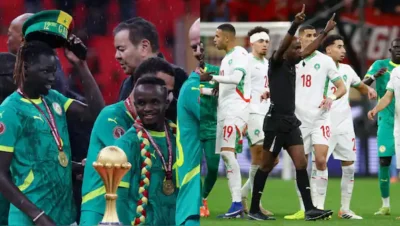
The ruling stems from a controversial 17-minute walk-off by the Senegalese players during the final minutes of regulation time.
Led by the head coach of Senegal, Pape Thiaw, the team left the pitch to protest a late penalty awarded to Morocco after a VAR review.
Although the players eventually returned after 15 minutes and completed the match, with goalkeeper Édouard Mendy even saving the subsequent penalty taken by Brahim Diaz.
What is CAF’s ruling?
CAF determined that the temporary abandonment violated Articles 82 and 84 of the AFCON regulations. These rules mandate that any team refusing to play or leaving the ground without referee authorisation must be declared the loser by forfeit. The Board of Appeal subsequently awarded Morocco a 3-0 win, declaring them the champions.
Senegal’s FA reaction
The Senegalese Football Federation (FSF) has strongly rejected the verdict, describing it as “unjust and procedurally flawed,” and is expected to take the case to the Court of Arbitration for Sport (CAS).
Morocco’s reaction
Meanwhile, Morocco has been crowned African champions for the first time since 1976. While the Moroccan federation insisted the appeal was a matter of upholding competition regulations rather than challenging sporting merit. The decision has sparked intense debate across the continent regarding the integrity and future of African football governance.

COMMENTS