
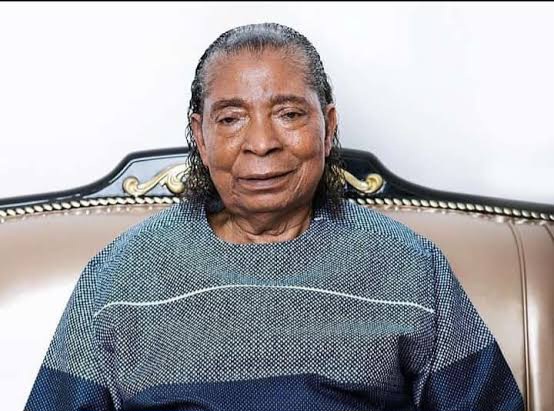
The passing of Apostle Dr. Kwadwo Safo Kantanka on September 11, 2025, at age 77, has reignited national reflection on his extraordinary life. Whil
The passing of Apostle Dr. Kwadwo Safo Kantanka on September 11, 2025, at age 77, has reignited national reflection on his extraordinary life.
While his name is often synonymous with indigenous technology, agriculture, and industrial inventions, Apostle Safo’s imprint on Ghana’s creative economy is equally profound.
His work advanced faith and science and shaped theatre, music, performance arts, and media in ways that continue to resonate across the country.
A Church Beyond Pulpit
Apostle Safo founded the Kristo Asafo Mission in 1969 as a prayer group that expanded into a dynamic African-initiated church and industrial movement.
By the 1970s, he was already thinking beyond traditional evangelism.
He established the Kristo Asafo Concert Party, a performance troupe that used comedy, sketches, and music to spread Christian teachings.
What began as religious theatre soon became one of Ghana’s most influential cultural outlets.
The Concert Party stage nurtured some of the country’s most beloved performers.
Actors and comedians such as Mercy Asiedu, Akrobeto, Bob Okala, and the late Nkomode traced their roots to Kristo Asafo’s performance platforms.
For decades, these shows drew large audiences, making theatre a community-driven art form accessible to ordinary Ghanaians.
Music That Bridged Faith and Commerce
Apostle Safo’s artistic vision was not confined to drama.
A gifted guitarist and keyboardist himself, he formed the Kristo Asafo Band, pioneering a unique style of gospel highlife.
Their music fused traditional Ghanaian rhythms with Christian messages, laying the foundation for a genre that would make gospel music both culturally relevant and commercially viable.
This innovation helped break barriers between sacred and secular sounds, creating a template for later generations of gospel musicians who would dominate the airwaves and live performance circuits.
Technology Meets The Arts
Although he became widely celebrated for his inventions—from vehicles to agricultural machinery—Apostle Safo’s technological breakthroughs also fed directly into the arts.
He developed local sound systems, audiovisual equipment, stage tools, and electronic gadgets that enhanced film and theatre productions.
By providing indigenous alternatives, he reduced dependence on costly imports and inspired confidence in locally manufactured creative tools.
These contributions indirectly supported the growth of the film industry and Kumawood, where stage-inspired storytelling found a new home in local cinema.
Training, Talent Grooming, And Youth Empowerment
One of Apostle Safo’s most enduring legacies lies in his commitment to nurturing talent.
His church became a platform for young actors, musicians, and comedians who otherwise had limited opportunities.
Through annual technology exhibitions, concerts, and workshops, he provided visibility for emerging talents while blending artistic and technical training
Many of these individuals transitioned into mainstream media, television comedy, and music.
The pipeline of talent that Apostle Kwadwo Safo developed helped sustain Ghana’s entertainment industry through different generations
Building Media Platforms
In later years, Apostle Safo expanded his reach by establishing Kantanka TV, a channel that showcased his church’s activities, creative productions, and cultural content.
The station not only amplified Kristo Asafo’s innovations but also created space for Ghanaian-made artistic content in a media landscape often dominated by foreign imports.
A Lasting Cultural Legacy
Apostle Kwadwo Safo Kantanka’s story is not simply one of invention or religious leadership.
He embodied the belief that creativity could be harnessed across disciplines—faith, science, performance, and industry—to transform society. His work inspired actors, musicians, comedians, engineers, and everyday Ghanaians to embrace homegrown talent and innovation.

COMMENTS