
The New Patriotic Party’s (NPP) decision to set a GH¢4.6 million fee for presidential aspirants has triggered widespread debate, with strong reactions
The New Patriotic Party’s (NPP) decision to set a GH¢4.6 million fee for presidential aspirants has triggered widespread debate, with strong reactions from both within and outside the party.
While some party stalwarts, including former Abuakwa South MP Samuel Atta Akyea, have defended the policy, civil society groups and some aspirants see it as a dangerous step towards the full monetisation of Ghana’s democracy.
The fee structure, announced ahead of the NPP’s internal presidential primaries, requires aspirants to pay a GH¢100,000 non-refundable nomination fee, a GH¢500,000 filing fee, and a GH¢4 million “development fee,” amounting to GH¢4.6 million in total.
Atta Akyea: “Only Influential Leaders Deserve To Contest”
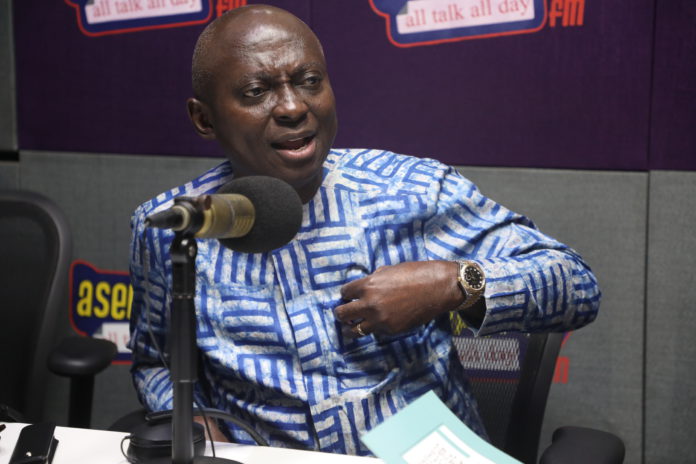
In defense of the party’s decision, Samuel Atta Akyea insisted that any flagbearer aspirant struggling to raise the amount should not be considered fit to lead.
Speaking in an interview with TV3’s Beatrice Adu, the former legislator argued that the ability to mobilise funds was a sign of credibility and influence.
“If you are in opposition, you will raise money, so it is a sensible way to raise money,” Atta Akyea stated.
“If a man says he is credible and people should vote for him as a flagbearer, and he can’t raise GH¢4 million, that means he doesn’t count; he is not even influential. Who is telling you that you are the one going to pay the money?”
His remarks suggest that for the NPP, financial capacity is tied to political viability, a position that has raised eyebrows among critics.
Civil Society: “A Blow to Democracy”
On the other hand, civil society organisations have condemned the decision, calling it an attack on democratic values.
The Executive Director of the Centre for Public Opinion and Awareness (CenPOA), Michael Donyina Mensah, described the fee as “shocking” and “ridiculous.”
In an interview on Rainbow Radio 87.5FM, Mensah argued that such high financial demands could entrench corruption in politics rather than eradicate it.
“It is disheartening that while we are actively trying to combat the pervasive issues of corruption and theft within our political systems, a major political party would make such an exorbitant demand of its aspirants,” he said.
“With a move like this, we should abandon any hope of eradicating corruption from our political landscape.”
Mensah added that the NPP’s fee structure creates an uneven playing field that excludes competent individuals who may lack wealthy backers.
Aspirants React: Agyapong Fumes, Addai-Nimoh Bows Out
The party’s presidential hopefuls themselves have also expressed discontent.
Businessman and former Assin Central MP Kennedy Agyapong, who has declared his intention to contest, voiced his frustration and promised to challenge the system if he secures the nomination.
Former presidential aspirant Francis Addai-Nimoh, however, opted out of the race entirely, citing the monetisation of the contest as his main reason for withdrawal.
His exit underscores fears that the high fees may drive away credible but less financially resourced candidates.
Additionally, former NPP General Secretary Kwabena Agyei Agyepong has formally requested explanations from the party’s leadership over the fee structure, questioning its fairness and necessity.
Party Stands Firm
Despite the backlash, the NPP leadership has remained resolute, warning that aspirants unable to meet the financial requirement will be automatically disqualified from the race.
Party executives argue that the funds are necessary for organising the primaries and strengthening party infrastructure ahead of the 2028 elections.

COMMENTS