
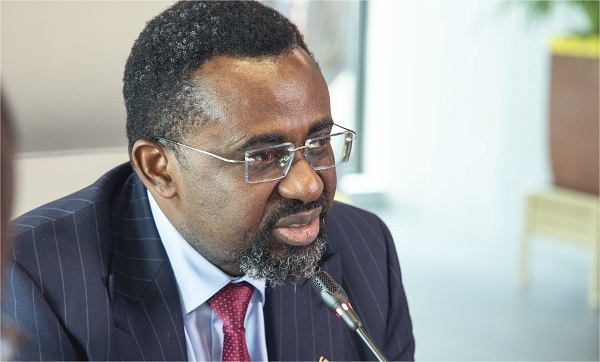
The Governor of the Bank of Ghana (BoG), Dr. Johnson Asiama, has expressed optimism that Ghana will successfully complete and exit its current Interna
The Governor of the Bank of Ghana (BoG), Dr. Johnson Asiama, has expressed optimism that Ghana will successfully complete and exit its current International Monetary Fund (IMF) Extended Credit Facility (ECF) programme by next year, ahead of schedule.
His assurance comes amid growing speculation that the country might need an extension to maintain investor confidence and fiscal discipline.
Dr. Asiama gave the assurance during an engagement with Abebe Selassie, Director of the IMF’s African Department, on the sidelines of the IMF/World Bank Annual Meetings held in Washington D.C.
The discussion, part of the IMF’s “Governor Talks Series,” focused on Ghana’s economic recovery efforts following years of fiscal challenges, global shocks, and currency pressures.
Ghana Ahead of IMF Targets
According to the Central Bank Governor, Ghana is currently performing ahead of key benchmarks under the IMF-supported programme, a sign of steady progress in stabilizing the economy and restoring investor confidence.
“We should not forget that when this administration took over, there were calls for us to cancel the programme and doubts about our ability to sustain it. But the current developments show that we have delivered and turned things around,” Dr. Asiama said confidently.
Ghana entered into the $3 billion IMF bailout arrangement in 2023, following one of the country’s most severe economic crises in decades—characterized by soaring inflation, high public debt, and a sharp depreciation of the cedi.
The programme, scheduled to run until May 2026, was designed to restore macroeconomic stability, strengthen fiscal discipline, and reform public financial management.
The IMF has so far disbursed over $2 billion to Ghana as part of the programme’s phased support for the government’s economic recovery plan.
Monetary Discipline And Inflation Control
Asiama detailed several policy actions undertaken by the central bank since 2023 to curb inflation, stabilize the currency, and build reserves.
He said that the inflation, which had surged to over 50% at the height of the crisis, has now dropped sharply to 9.4% as of September 2025, marking one of the most significant turnarounds in recent history.
“We met an economy that was challenged, with high levels of inflation, and this was our priority when this administration took over,” he noted.
The BoG, under his leadership, implemented aggressive monetary tightening, increasing the policy rate and strengthening liquidity controls to mop up excess money supply in the economy.
These efforts, combined with fiscal consolidation by the government, helped tame inflation and stabilize the cedi.
“Our policies going forward will be data-driven and adaptable to changes in the economy,” Dr. Asiama emphasized, adding that sustaining the current gains requires continued prudence in both fiscal and monetary management.
Gold-for-Reserves And Exchange Rate Management
Asiama also credited Ghana’s Gold-for-Reserves programme with improving the central bank’s foreign reserves and easing pressure on the cedi.
The initiative, which began in late 2022, allows the Bank of Ghana to purchase gold domestically in exchange for cedis, reducing reliance on scarce foreign currency reserves for imports such as fuel.
He revealed that the BoG, in partnership with the IMF, has developed a structured foreign exchange operations framework aimed at reducing market volatility and ensuring transparency in the forex market.
“As these framework changes take place, they will bring further transparency to our foreign exchange market operations and help ease volatilities in the market,” he said.
Structural Reforms And Institutional Strengthening
Beyond macroeconomic stability, Dr. Asiama noted that the IMF programme has driven major structural reforms, particularly within the central bank and public financial institutions.
These reforms, he said, have enhanced the BoG’s operational independence, monetary policy framework, and regulatory oversight, ensuring greater accountability in financial management.
He acknowledged the IMF’s technical and financial assistance in helping Ghana rebuild credibility within the international economic community after years of fiscal mismanagement and market uncertainty.
Background: Ghana’s Road To Recovery
The country return to the IMF in 2023 marked the country’s 17th engagement with the Fund since independence, following a dramatic economic downturn triggered by global shocks, pandemic after-effects, and domestic fiscal imbalances.
The crisis led to record-high inflation, debt distress, and loss of investor confidence, forcing the government to seek external support.
Since then, a combination of tight monetary policies, debt restructuring, and public sector reforms has put the economy on a gradual path to recovery.
Recent data from the Ministry of Finance and the Bank of Ghana indicate that GDP growth and fiscal balance are improving, while investor confidence has begun to rebound.

COMMENTS