
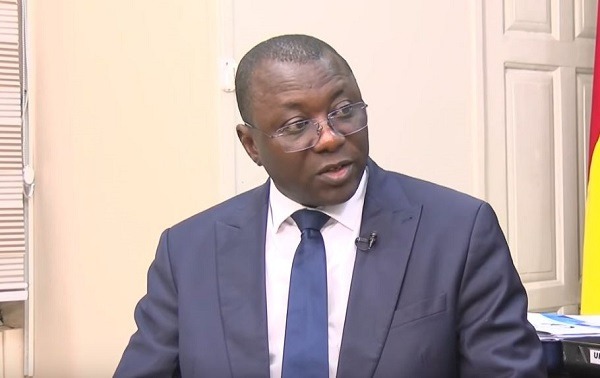
A fresh debate has emerged over the economic management following claims by former Finance Minister Dr. Mohammed Amin Adam that the Bank of Ghana may
A fresh debate has emerged over the economic management following claims by former Finance Minister Dr. Mohammed Amin Adam that the Bank of Ghana may have sold a significant portion of the country’s gold reserves to offset losses recorded in 2025.
The allegation, made in a detailed write-up shared on his Facebook page, has raised concerns about transparency, reserve management and the long-term sustainability of the monetary policy framework.
Dr. Adam, who served as Finance Minister under the previous New Patriotic Party (NPP) administration, provided a historical backdrop to the gold reserve strategy, pointing out that the country’s reserves were significantly increased during the NPP era through the Gold for Reserves Policy.
According to him, the gold holdings grew from approximately 8.8 tonnes to over 30 tonnes, a move he described as a strategic effort to strengthen the country’s financial buffers and reduce reliance on foreign currencies.
The former minister, however, expressed concern that the current administration may have reversed this progress by selling more than half of the accumulated reserves.
He claims that the transaction reportedly generated about US$1.5 billion, but questioned the underlying motive behind the decision, suggesting that the proceeds may have been used to conceal financial losses incurred by the central bank in 2025.
According to Dr. Adam, the key issue is not whether a central bank has the authority to reallocate its reserves, but rather why such a substantial portion of the gold holdings would be liquidated within a short period.
He argued that such a move represents a possible shift away from long-term reserve accumulation towards short-term balance sheet adjustments.
“Against this backdrop, the liquidation of more than half of these reserves raises serious concerns about policy consistency and balance sheet management,” he stated, adding that the decision could undermine the strategic objective of building gold reserves as a safeguard against external shocks.
He further warned that if the sale of gold reserves was primarily used to offset operational or financial losses, it could create a misleading picture of the central bank’s financial health.
In such a scenario, he argued, headline financial performance could be artificially improved by one-off gains from asset sales rather than reflecting the true state of underlying operations.
Dr. Amin Adam therefore called on the Bank of Ghana to provide full disclosure regarding the transaction, including how the proceeds from the sale were accounted for in the central bank’s financial statements.
He questioned how the bank intends to reconcile its reported financial position with the gains realized from the gold sale, and whether such a strategy is sustainable in the long term.
“How will the Bank report its 2025 losses vis-à-vis the gains from the sale of gold reserves? How sustainable is this practice where operational losses can easily be offset by the sale of our gold reserves?” he asked.
The former minister also challenged the central bank to clarify whether the sale was genuinely part of a strategy to rebalance the reserve portfolio between gold and foreign currency assets, or whether it was driven by the need to plug financial gaps resulting from what he described as poor management.
The Bank of Ghana has yet to formally respond to the allegations at the time of reporting.
However, the issue has already sparked broader public and policy discussions about reserve management practices, fiscal discipline, and transparency in Ghana’s financial governance.

COMMENTS