
One of the biggest problems Africa has been facing, aside from bribery and corruption, is religion. Practitioners of the various religious beliefs hav
One of the biggest problems Africa has been facing, aside from bribery and corruption, is religion. Practitioners of the various religious beliefs have always wanted to show that theirs is the best, which has always led to chaos and confusion.
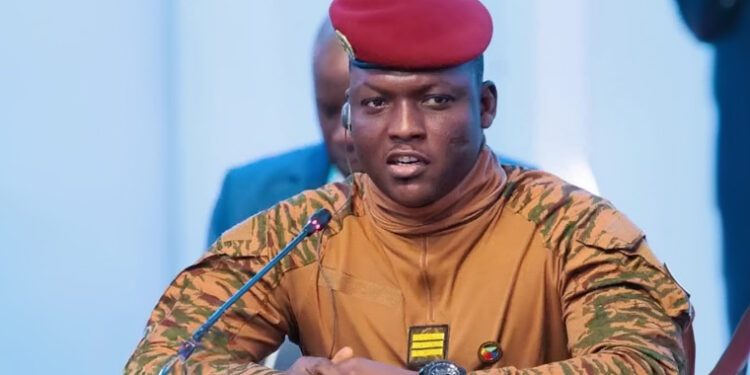
On Burkina Faso’s state television, Captain Ibrahim Traore, the first gentleman of the land, stated clearly that Burkina Faso is neither an Islamic Republic nor defined by any single religion; all religious groups should be tolerant and live together peacefully.
“All religious groups, Christians, Muslims, and practitioners of traditional African belief, are welcome to freely practice their faith in ‘the land of upright people,” he said.
Former President of the West African state, Captain Thomas Sankara, was a Christian, yet he tolerated all the different religious groups, so the Burkinabe should learn from him.
“One of the main factors hindering Africa’s development is the manipulation of religion imposed by imperial powers as a tool to divide African societies and exploit the continent’s resources”, he revealed.
“Muslims, Christians, and traditionalists in Burkina Faso must unite, live peacefully with mutual love and respect, and continue practising their respective religions in harmony”, the president added.
According to multiple studies, Burkina Faso is a Muslim-majority country, with Islam being the religion of 63.8% of the population. The remaining population practices Christianity (26.3%, with 20.1% Catholic and 6.2% Protestant), indigenous beliefs (9%), and other or no religion (0.7%).

COMMENTS