
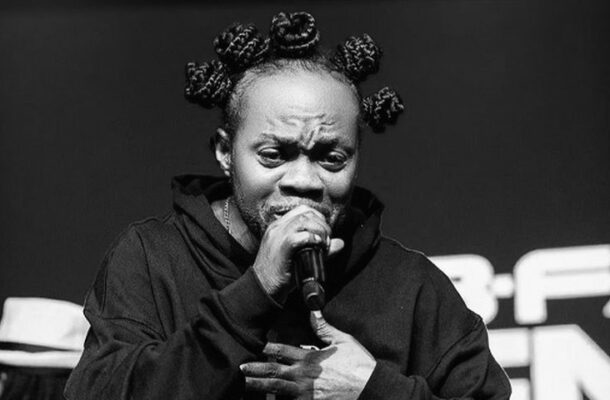
The final funeral rites for the highlife legend Charles Kwadwo Fosu, affectionately known as Daddy Lumba, were held on Saturday, December 13, 2025, at
The final funeral rites for the highlife legend Charles Kwadwo Fosu, affectionately known as Daddy Lumba, were held on Saturday, December 13, 2025, at the Baba Yara Sports Stadium in Kumasi, drawing thousands of mourners, dignitaries, music lovers, and family members.

The ceremony came after months of legal wrangling that threatened to overshadow the final farewell. Following the musician’s death on July 26, 2025, disputes emerged between segments of his extended family, particularly between the maternal lineage—who traditionally hold authority over funeral rites in Akan custom—and the family head, Abusuapanyin Kofi Owusu.
Earlier court proceedings included an injunction preventing the release of Lumba’s body and a restraining order on funeral preparations.
These legal interventions highlighted disagreements over burial authority, financial management of memorial funds, and proper consultation with the immediate family, including the late musician’s widow and children.
Despite the tension, the funeral proceeded after court orders were modified, allowing the ceremony to take place as scheduled.
Emotional Scenes And Family Mourning
One of the most poignant moments occurred when Odo Broni, Lumba’s second wife, broke down in tears, visibly overwhelmed as she was consoled by family members.
Her grief set the emotional tone for the day, reflecting the personal loss behind the public spectacle.
The casket, adorned in tribute to Lumba’s musical legacy, was carried into the stadium amid chants, hymns, and highlife rhythms.

Fans sang along to classics spanning Lumba’s decades-long career, blending sorrow with celebration of his enduring influence.
Dignitaries, Colleagues, And Fans Pay Tribute
The ceremony attracted prominent figures including NDC National Chairman Johnson Asiedu Nketiah, Ashanti Regional Minister Frank Amoakohene, and businessmen Osei Kwame Despite and Akwasi Sarpong.

Music icons such as Nana Acheampong performed, with Acheampong delivering the first song he composed alongside Lumba, an emotionally charged performance that left attendees in tears.
Thousands of Ghanaians, young and old, gathered at the stadium dressed in traditional funeral cloth and attire bearing Lumba’s iconic image.
Vendors lined the entrance with memorabilia, T-shirts, caps, and printed programs celebrating his life and career.
The crowd’s engagement reflected Lumba’s cross-generational appeal and the profound imprint he left on Ghanaian music culture.
Legacy Amidst Controversy
The funeral also underscored the lingering tensions within Lumba’s family. While the ceremony proceeded smoothly, observers noted the delicate balance between public mourning and private disputes over tradition, legal authority, and financial management
The High Court’s earlier injunction and ongoing family disagreements served as a reminder of the challenges of navigating cultural expectations and modern legal frameworks in Ghanaian funeral practices.
Despite these complications, the ceremony provided a space for collective mourning, celebration of musical heritage, and acknowledgement of Daddy Lumba’s lasting impact on the nation’s cultural landscape.

COMMENTS