
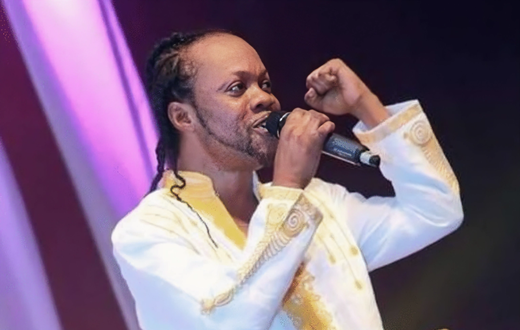
In an emotional tribute to the late Charles Kwadwo Fosu, popularly known as Daddy Lumba, his longtime confidant and best friend, E.T. Akonor, has open
In an emotional tribute to the late Charles Kwadwo Fosu, popularly known as Daddy Lumba, his longtime confidant and best friend, E.T. Akonor, has opened up about the hidden struggles the iconic musician endured while maintaining an unwavering dedication to his craft—even during moments of personal adversity.
Speaking from his East Legon home, Akonor recounted deep memories and behind-the-scenes stories that paint a more intimate portrait of the man Ghanaians knew as Lumba, who passed away on July 26, 2025.
Among the most striking revelations was the fact that Daddy Lumba composed one of his most celebrated and controversial tracks, “Yentie Obiaa”, while confined to a wheelchair.
The song, known for its rebellious and assertive tone, has become an anthem for independence and self-confidence in Ghanaian culture.
According to Akonor, the defiant energy of the lyrics was drawn not only from Lumba’s philosophical mindset but also from his personal battles.
“He wrote Yentie Obiaa in a wheelchair. That’s how dedicated he was,” Akonor said solemnly.
“We played the song, laughed at the lyrics, and connected instantly. But he wasn’t just a singer—he was a thinker. Every word in his songs carried weight.”
Daddy Lumba, a household name since the late 1980s, was known for his lyrical ingenuity, socially relevant themes, and ability to evolve with the times.
What fans didn’t always see, however, was the pain and perseverance behind the music.
Beyond the music, Akonor also addressed persistent rumours and controversies that plagued the latter part of Lumba’s career—particularly false event bookings using his name without his knowledge.
He disclosed that even on the very day Lumba passed, an event promoter in the United States was still advertising him as the headline act for an upcoming concert.
“We didn’t know anything about it. I can tell you on authority that Daddy Lumba had no idea about those shows. People exploited his name,” he said, visibly upset about the posthumous commercialization of his friend’s image.
“People still listen to Bob Marley’s songs from 50 years ago. That’s the kind of legacy I want for Lumba. That 59 years from now, people will still find meaning in his music.”

COMMENTS