
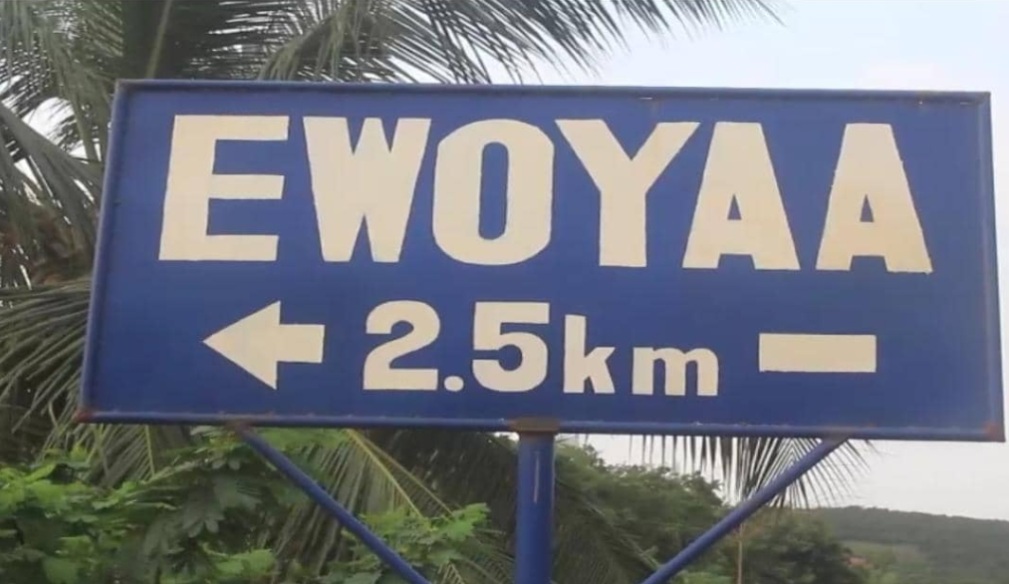
Atlantic Lithium Limited has taken a renewed step toward securing approval for the first commercial lithium mine, submitting a revised Mining Lease fo
Atlantic Lithium Limited has taken a renewed step toward securing approval for the first commercial lithium mine, submitting a revised Mining Lease for the Ewoyaa Lithium Project to Parliament for consideration.
The move comes after months of political dispute, community resistance, and legal questions that have repeatedly stalled the project, making the latest submission a critical test of the readiness to manage its emerging green minerals sector.
The revised lease has been referred to Parliament’s Select Committee, which is expected to review the document and advise the House on whether it should be ratified.
If approved, the agreement would clear the final legal hurdle for the Ewoyaa Project, located in the Central Region, to move into full-scale development.
A Strategic Mineral
Lithium has become one of the world’s most sought-after minerals due to its central role in electric vehicle batteries, renewable energy storage systems, and clean technology.
For Ghana, Ewoyaa represents more than a mining project—it is widely seen as a gateway into the global green energy value chain and a chance to diversify the country’s mineral portfolio beyond gold.
However, the promise of lithium has been overshadowed by controversy since October 2023, when the original Mining Lease between the Government of Ghana and Barari DV Ghana Limited, Atlantic Lithium’s local subsidiary, was first signed.
That agreement triggered intense debate over royalty rates, local value addition, community benefits, and whether Ghana was negotiating from a position of strength.
From ‘Groundbreaking Deal’ To Political Flashpoint
The original Ewoyaa lease proposed a 10 percent royalty rate, significantly higher than the standard 5 percent applied to other minerals.
At the time, government officials hailed the deal as progressive, while critics questioned its legal basis under the Minerals and Mining Act, which caps royalties at 5 percent.
Subsequent parliamentary scrutiny confirmed those concerns, forcing government to reconsider the fiscal framework.
The controversy deepened when global lithium prices collapsed by more than 70 percent from their 2022 peak, prompting the company to seek revisions to the agreement on the grounds of economic viability.
Traditional leaders from Ewoyaa and neighbouring communities later rejected proposals to reduce the royalty to 5 percent, arguing that the change would deprive host communities of expected development benefits.
Civil society organisations also warned that Ghana risked repeating historical mistakes seen in gold and bauxite mining if lithium was rushed without a robust policy framework.
Revised Lease And New Royalty Framework
Against this backdrop, the revised Mining Lease now before Parliament reflects consultations led by the Minister of Lands and Natural Resources with key stakeholders.
The updated terms align the project’s royalty rate and Growth and Sustainability Levy with existing mining legislation, addressing earlier legal objections.
In a major policy shift, the Minister has also laid a new Legislative Instrument—the Minerals and Mining (Royalty) Regulations, 2025—introducing a sliding-scale royalty regime for lithium based on global spodumene prices.
Under the proposed framework:
Spodumene prices up to US$1,500 per tonne would attract a 5% royalty
Prices between US$1,501 and US$2,500 would attract a 7% royalty
Prices between US$2,501 and US$3,000 would attract a 10% royalty
Prices above US$3,000 would attract a 12% royalty.
Government officials say the approach balances investor confidence with the long-term revenue interests, allowing the state to benefit more when prices are high while cushioning projects during market downturns.
All other provisions of the original Mining Lease granted in October 2023, including state equity participation and operational terms, remain unchanged.
Parliamentary Review Looms
With Parliament currently on recess, the Select Committee is expected to begin its review of the revised lease early in the new year.
Its recommendations will determine whether the agreement proceeds to full ratification or faces further amendments.
Atlantic Lithium has expressed optimism that approval will be secured but acknowledged that Parliament may still propose changes or delay the process.
The company says it will keep shareholders informed as deliberations continue.
High Stakes For Green Transition
The ratification of the Ewoyaa Mining Lease would mark a historic milestone, paving the way for thenfirst lithium mine and potentially positioning the country as a key supplier to the global clean energy industry.
Yet, the project’s troubled path to Parliament underscores the complexity of managing strategic minerals in a volatile global market.

COMMENTS