
Several European nations, along with Canada and Japan, have expressed readiness to contribute to appropriate efforts to ensure the safe passage of ves
Several European nations, along with Canada and Japan, have expressed readiness to contribute to appropriate efforts to ensure the safe passage of vessels through the Strait of Hormuz.
In a joint statement issued on Thursday, the leaders of Britain, France, Germany, Italy, the Netherlands, Japan, and Canada condemned in the strongest terms recent attacks by Iran on unarmed commercial vessels in the Gulf, including oil and gas installations, as well as the de facto closure of the Strait of Hormuz by Iranian forces.
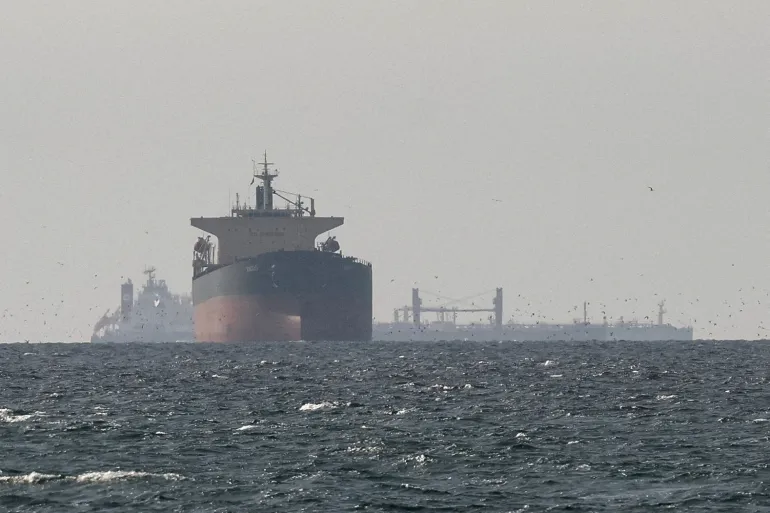
Iran has blocked the Strait of Hormuz—a vital shipping route for oil and gas exports to the global market—since the escalation of the war involving the United States and Israel on February 28, 2026.
This development has disrupted global energy supplies, leading to a spike in fuel costs across many economies.
The group of nations noted that freedom of navigation is a fundamental principle of international law, including under the United Nations Convention on the Law of the Sea.
They warned that the effects of Iran’s actions will be felt worldwide, particularly by the most vulnerable populations.
“We call on Iran to immediately cease its threats, the laying of mines, drone and missile attacks, and all other attempts to block the Strait to commercial shipping, and to comply with UN Security Council Resolution 2817,” the statement said.
Consistent with UN Security Council Resolution 2817, the nations emphasized that such interference with international shipping and disruption of global energy supply chains constitute a threat to international peace and security.
In this regard, they called for an immediate and comprehensive moratorium on attacks targeting civilian infrastructure, including oil and gas installations.
The group also welcomed the International Energy Agency’s decision to authorize a coordinated release of strategic petroleum reserves.
They further assured that “we will take additional steps to stabilize energy markets, including working with key producing nations to increase output.”
The group expressed readiness to support the most affected countries, including through the United Nations and international financial institutions.

COMMENTS