
Ashanti Region has been identified as one of the areas where hypertension is prevalent among the populace. It has been observed that over 62 per ce
Ashanti Region has been identified as one of the areas where hypertension is prevalent among the populace.
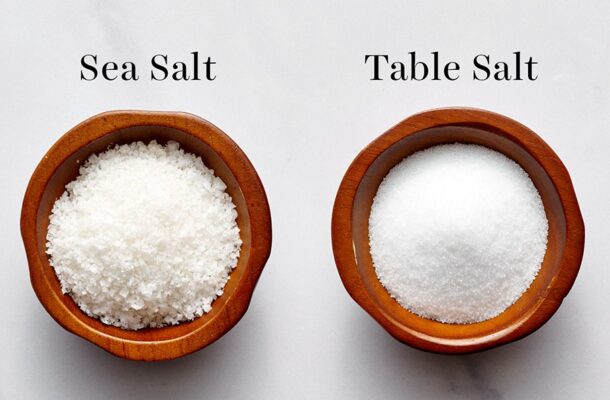
It has been observed that over 62 per cent of restaurants visibly place salt on dining tables, allowing customers to add more seasoning to dishes that were already prepared with salt.
Chop bars, per the study, have the highest rate of openly placing salt on dining tables.
The practice has been identified as one of the reasons why hypertension among the people of Oseikrom is on the rise.
The Mayor of Kumasi, Richard Agyeman-Boadi, has revealed that his office has taken measures to stop the perennial practice at the various eateries where salt is placed on dining tables for people to consume.
“By addressing everyday risk factors such as the routine availability of salt on dining tables, we are taking a practical and preventive step to protect the health of our residents. This resolution reflects our resolve to create a healthier food environment for all,” Zuba said
He continued, “Hypertension is no longer a distant health concern; it is affecting families and productive lives across Kumasi,” Mr Agyeman-Boadi added.
Health officials indicate that Ghana is experiencing an increase in non-communicable diseases (NCDs), with prevalence rates approaching 34 per cent in urban areas.
The Ashanti Region has a prevalence rate of 37.4 per cent for hypertension, with many cases going undiagnosed or not effectively managed.
The practice of adding salt to already prepared meals is common in our homes, and massive education must be carried out to let people know how dangerous it is.

COMMENTS