
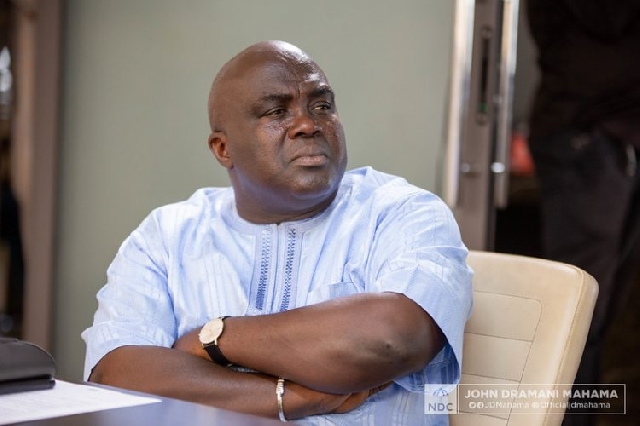
Chief of Staff Julius Debrah has sounded a strong warning over the growing threat that weak boardroom practices pose to Ghana’s national development a
Chief of Staff Julius Debrah has sounded a strong warning over the growing threat that weak boardroom practices pose to Ghana’s national development agenda.
According to him, the lack of generational thinking, ethical standards, and accountability in both public and private sector boards is undermining the sustainability of critical national projects.
Speaking at the National Boardroom Governance 2025 Conference held in Accra on Tuesday, Debrah cautioned that poor corporate governance, political interference, and short-term decision-making have become recurring obstacles to the success of national initiatives.
He explained that when boardrooms fail to adhere to sound governance principles, they invite “reputational harm, legal exposure, and financial instability”, all of which could cripple key development efforts.
“When boardrooms think generationally, the present becomes the foundation, not the finish line,” Julius Debrah stated. “Boards today operate in an environment of heightened public scrutiny, fast-changing markets, and tightened regulations. We cannot afford to make decisions that serve political or personal interests at the expense of institutional integrity and national progress.”
The Chief of Staff emphasized the need for a deliberate shift towards ethical and generational governance, urging both public institutions and corporate entities to prioritize continuity and transparency over political loyalty.
He noted that the development record over the years has often suffered due to the politicization of state institutions and the appointment of unqualified individuals to key positions.
In addressing these issues, the Chief of Staff referenced the government’s ongoing initiatives such as the Reset Agenda and the Government Accountability Series, which are designed to promote transparency and performance reporting across ministries and public agencies.
Through these platforms, he said, ministers are expected to publicly account for their policies and the progress made in achieving set targets.
“We must commit to governance that transcends election cycles. The moment we see national projects as long-term legacies rather than temporary achievements, we will begin to make the right choices in leadership and resource management,” he added.
The conference, themed “Building Sustainable Institutions Through Ethical Boardroom Practices,” brought together policymakers, CEOs, board members, and governance experts to discuss strategies for improving institutional leadership in Ghana.
The dialogue highlighted the critical role of boards in ensuring that projects such as roads, schools, hospitals, and digital infrastructure are managed with transparency and accountability from inception to completion.

COMMENTS