
Kumasi is stepping up efforts to fight an emerging health crisis and worsening environmental conditions through a new suite of reforms unveiled by the
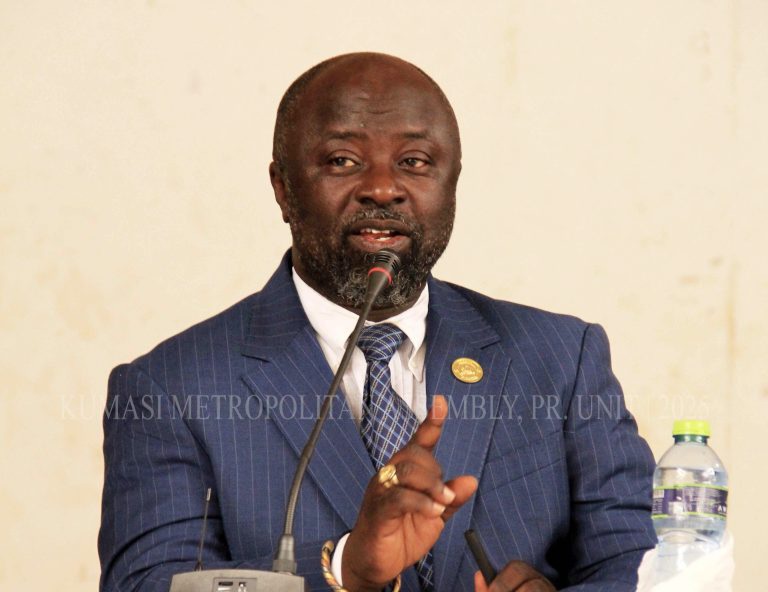
Kumasi is stepping up efforts to fight an emerging health crisis and worsening environmental conditions through a new suite of reforms unveiled by the city’s Mayor, Richard Ofori-Agyemang Boadi—popularly known as King Zuba.
Speaking at the 1st Ordinary Meeting of the 2nd Session of the 9th Kumasi Metropolitan Assembly on July 17, Mayor Boadi announced the city’s re-entry into the Partnership for Healthy Cities, a global initiative sponsored by Bloomberg Philanthropies, the World Health Organization (WHO), and Vital Strategies to combat non-communicable diseases (NCDs).
The urgency of the move is underscored by rising cases of hypertension among Kumasi’s youth.
“We are beginning to see hypertension in people as young as 18. This is not just alarming—it’s a public health emergency,” the Mayor told the Assembly. “We cannot ignore the dietary and lifestyle risks that are pushing our youth into chronic illness.”
As part of the city’s new public health strategy, food service establishments in Kumasi will now be required to limit the placement of table salt and promote healthier cooking practices, in a bid to reduce sodium consumption—a key contributor to hypertension, heart disease, and stroke.
The city’s health authorities estimate that 1 in 4 young adults in Kumasi now show early signs of high blood pressure, driven by excessive salt intake and poor diet awareness.
The initiative is part of a broader Bloomberg-backed urban health plan that also addresses sanitation, waste management, and climate change.
Mayor Boadi highlighted the success of a pilot sanitation project in Moshie Zongo, funded under the Bloomberg Philanthropies Mayor’s Challenge Award, as a model for expanding household toilet access in underserved neighborhoods.
“We’re showing that sustainable sanitation financing is not a dream—it’s happening in Kumasi,” he said. “Moshie Zongo is just the beginning.”
In the fight against climate change, the city has also rolled out Phase II of the Youth in Climate Change Fund, powered by a $100,000 Bloomberg grant. More than 30 youth-led projects are currently underway, targeting carbon reduction, environmental education, and urban greening.
“This is about building resilience, not just for now, but for the generations to come,” Boadi added.
But not all challenges are climate-related. Kumasi continues to grapple with sanitation enforcement. Despite deploying over 1,000 large-capacity waste bins across the metropolis, littering and stray animals remain a nuisance.
Seven cattle owners in the Manhyia North Sub-Metro have already been prosecuted for operating in violation of environmental health laws.
To strengthen enforcement, the city plans to activate Section 7(2) of the KMA Sanitation Bye-Laws, with a dedicated Sanitation Task Force to prosecute offenders, using both field surveillance and national intelligence systems.
“We must foster a sense of civic responsibility. We cannot build a modern city if lawlessness is tolerated in how we treat our environment,” the Mayor said.
With firm local leadership and renewed global support, Kumasi is positioning itself as a leading African city responding to the intersection of climate risk, urban health, and social equity—one reform at a time.

COMMENTS