
The government of Mali has imposed a $10,000 visa bond requirement on U.S. citizens seeking business or tourist visas, in a direct retaliatory move ag
The government of Mali has imposed a $10,000 visa bond requirement on U.S. citizens seeking business or tourist visas, in a direct retaliatory move against a similar policy introduced by the United States.
This decision, announced by Mali’s Ministry of Foreign Affairs and International Cooperation, mirrors the U.S. pilot visa bond program that requires Malian nationals to deposit either $5,000 or $10,000 to obtain entry into the United States.
Mali described the U.S. measure as a breach of a longstanding bilateral agreement and responded by establishing an identical visa program for American travellers.
The U.S. government’s visa bond initiative, which took effect on October 23, 2025, was introduced under the Trump administration as part of a broader effort to curb irregular immigration and enforce stricter border controls.
Mali’s leadership, however, viewed the policy as unilateral and discriminatory, prompting swift diplomatic retaliation.
The Malian Foreign Ministry emphasised that the country has always cooperated with the U.S. on immigration matters with respect for law and human dignity, and that the new American policy undermines mutual trust.
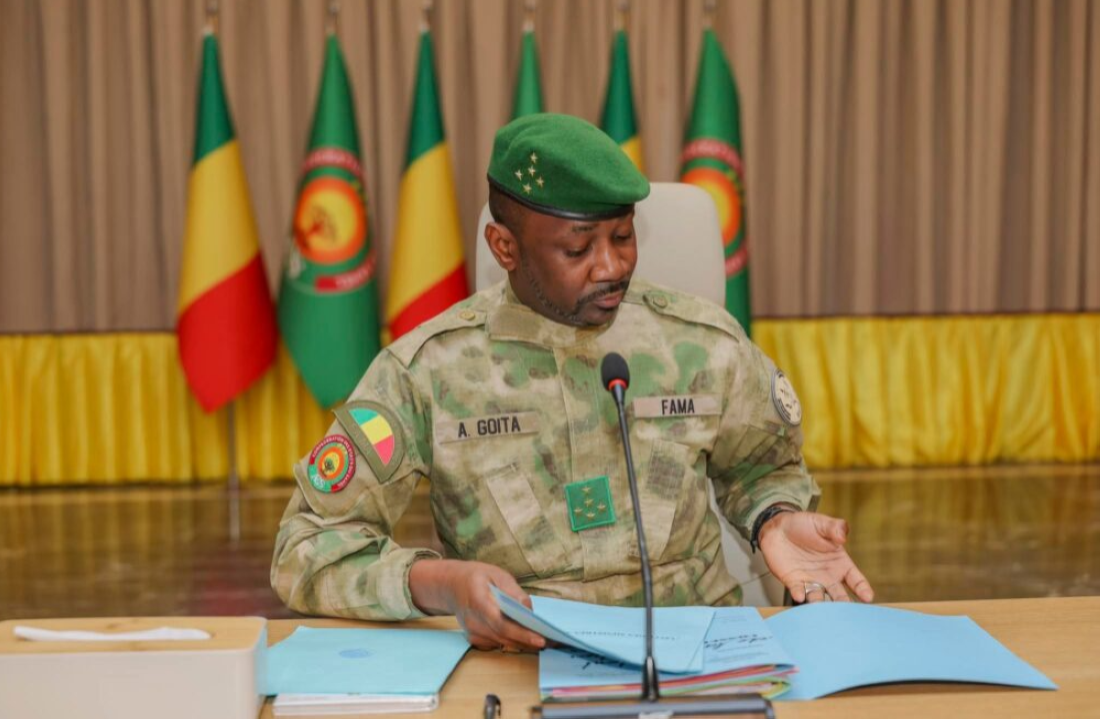
This tit-for-tat visa policy shift comes amid broader tensions between the two nations, which have been strained since Mali’s 2021 coup that brought General Assimi Goïta to power.
Despite recent efforts to improve diplomatic relations—including discussions on counterterrorism and economic partnerships—the visa bond dispute highlights lingering mistrust.
Mali’s pivot toward Russia and its rejection of Western influence have further complicated its relationship with the United States.
The imposition of the $10,000 visa bond by Mali is expected to significantly impact travel and business exchanges between the two countries.
Analysts warn that such reciprocal measures could escalate into broader diplomatic fallout, affecting trade, aid, and regional cooperation.
For now, both governments appear resolute in their positions, with Mali asserting its sovereignty and the U.S. maintaining its stance on immigration enforcement.
The situation underscores the delicate balance between national security and international diplomacy in an increasingly polarised global landscape.

COMMENTS