
Morocco has declared October 31 as a new national holiday, "Unity Day," to celebrate a diplomatic victory in the Western Sahara dispute following UN s
Morocco has declared October 31 as a new national holiday, “Unity Day,” to celebrate a diplomatic victory in the Western Sahara dispute following UN support for its autonomy plan—despite Algeria’s opposition.
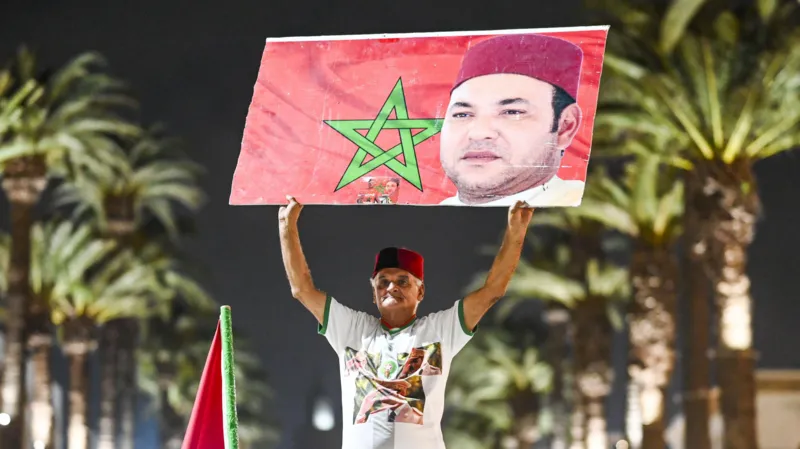
In a landmark move, Morocco’s royal palace announced the creation of Unity Day on Wednesday to commemorate the UN Security Council’s recent resolution backing Rabat’s proposal for autonomy in Western Sahara under Moroccan sovereignty.
The resolution, passed on Friday, was hailed by Moroccan officials as a triumph for national unity and territorial integrity.
The holiday will be observed annually starting next year, marking October 31 as a symbol of Morocco’s long-standing claim over the disputed region.
The UN resolution described Morocco’s autonomy plan as the “most feasible solution” to the decades-old conflict, which has pitted Rabat against the Algeria-backed Polisario Front.
The Polisario seeks full independence for the Sahrawi people, while Morocco maintains control over most of the phosphate-rich territory.
The vote saw 11 countries, including the United States, support the resolution, while Algeria opposed it and Russia, China, and Pakistan abstained.
The declaration of Unity Day is seen as a strategic and symbolic gesture by Morocco to reinforce its sovereignty claims and rally national pride.
Celebrations are expected to include official ceremonies, public gatherings, and cultural events emphasising Morocco’s historical ties to Western Sahara.
The move also signals Rabat’s intent to solidify international recognition of its position, especially as tensions with Algeria remain high over the issue.
This development marks a significant moment in North African geopolitics, with Morocco leveraging diplomatic channels to gain global support for its stance.
While the conflict remains unresolved, the UN’s endorsement and Morocco’s new holiday reflect a shift in momentum that could influence future negotiations and regional dynamics.

COMMENTS