
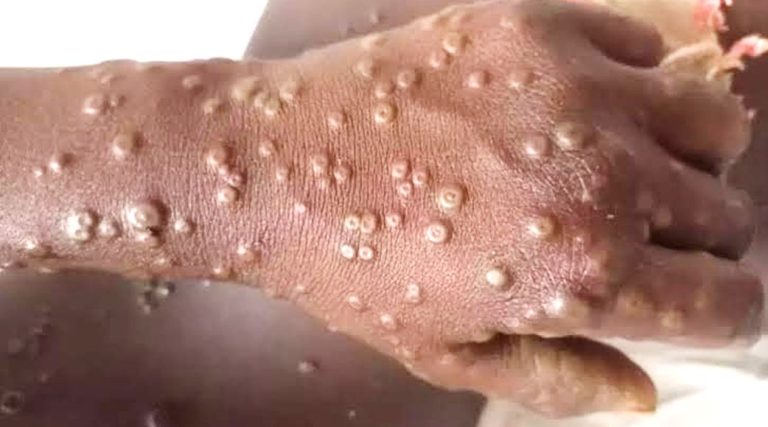
The Mpox cases have reached a total of 234 after 16 new infections were confirmed. According to the Ghana Health Service, the cases have been reported
The Mpox cases have reached a total of 234 after 16 new infections were confirmed. According to the Ghana Health Service, the cases have been reported across various regions, with the Greater Accra Region being the most affected.
Mpox, a viral disease, spreads mainly through close contact with an infected person, and health officials are working diligently to contain the outbreak.
History
The first Mpox case in Ghana was reported in September 2024, and since then, the country has seen a steady rise in infections. As of June 1, 2025, there were 133 confirmed cases, with health officials intensifying containment efforts. By June 16, 2025, the number had increased to 98 cases, and by July 6, 2025, it had surged to 170 cases. The recent spike brings the total to 234 confirmed cases.
Prevention Measures
To prevent the spread of Mpox, health officials recommend:
– Avoiding Close Contact: Refrain from close contact with infected persons or those exhibiting symptoms.
– Hand Hygiene: Wash hands regularly with soap and water.
– Personal Protective Equipment: Use protective gear when caring for a sick person.
– Reporting Symptoms: Report symptoms early and seek medical care if you notice any signs of infection, such as fever, headache, muscle aches, or skin rashes.
Government Response
The Ghana Health Service has ramped up surveillance, contact tracing, and community engagement to curb the outbreak. Public education campaigns are being intensified to promote preventive measures and encourage early reporting.
Vaccination efforts are also being targeted at high-risk groups to help control the spread of the virus.
Current Situation
Despite the surge in cases, health officials assure the public that the situation remains under control, with no new hospitalizations or deaths reported.
Patients are being managed as outpatients in various hospitals, and authorities are focusing on intensified community surveillance and contact tracing to prevent further spread.

COMMENTS