
The Minister for Foreign Affairs, Samuel Okudzeto Ablakwa, is under increasing public scrutiny as thousands of displaced Ghanaians from the Savannah R
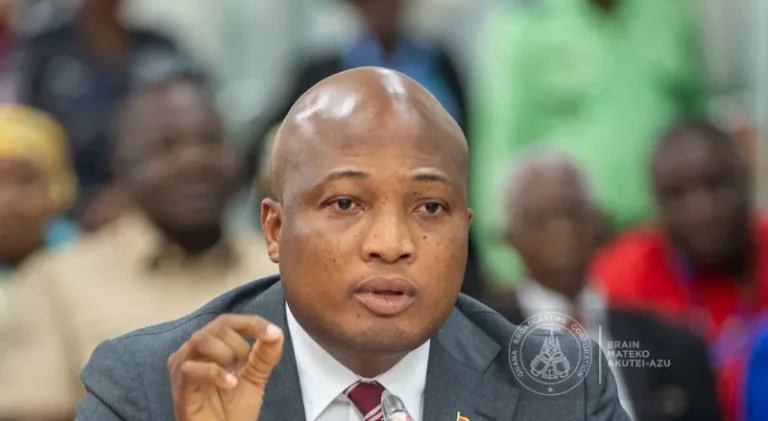
The Minister for Foreign Affairs, Samuel Okudzeto Ablakwa, is under increasing public scrutiny as thousands of displaced Ghanaians from the Savannah Region continue to languish in makeshift camps in neighbouring Côte d’Ivoire and Burkina Faso.
Critics say his silence and absence from the crisis contrasts sharply with his vocal advocacy for stranded Ghanaians abroad when he was in opposition.
Deadly Clashes In Mahama’s Hometown
Violence erupted in the Bole District of the Savannah Region on August 24, 2025, when a land dispute in Gbiniyiri escalated into bloody ethnic clashes between Gonjas and Lobis.
The Minister for the Interior, Muntaka Mohammed Mubarak confirmed that at least 31 people were killed, with more than 13,000 Ghanaians fleeing into Côte d’Ivoire and an additional 14,000 crossing into Burkina Faso.
The Interior Ministry further revealed that about 48,000 people in total across 12 communities have been affected, abandoning farms, livestock, and homes, fleeing the conflict zone.
The crisis has sparked fears of deepening food insecurity and long-term instability in the northern belt of the country.
Government’s Initial Response
The Interior Minister has imposed curfew, deployed over 700 security personnel, and initiated peace talks with traditional leaders and the National Peace Council.
However, beyond these measures, displaced families across the border remain in urgent need of food, shelter, and medical support.
What many observers find striking is the absence of Ghana’s chief diplomat, Foreign Affairs Minister Samuel Okudzeto Ablakwa, from both the conflict zone and the refugee camps.
Ablakwa’s Record In Opposition
This silence is a stark departure from Ablakwa’s track record.
In 2020, when COVID-19 caught Ghanaian students in the middle of the crisis in China, Ablakwa, then the NDC’s Ranking Member on the Foreign Affairs Committee, blasted the Akufo-Addo administration for failing to evacuate them quickly.
In 2022, when Russia invaded Ukraine, he personally travelled to meet Ghanaian students caught in the war, documenting his solidarity visit with photos and videos that went viral on social media.
At the time, he accused the government of neglect and insisted his party cared more about the students’ plight.
Those interventions won him political mileage and helped shape his image as a champion for stranded Ghanaians abroad.
Accusations of Political Selectivity
Today, however, with Ghanaians displaced not in Europe but in neighbouring West African states, critics accuse Ablakwa of political double standards.
“If he could risk a trip to Ukraine in a full-scale war, why can’t he travel to Côte d’Ivoire or Burkina Faso, which are just hours away, to comfort his own people?” one analyst asked.
Ghanaians argue that Ablakwa’s reluctance to appear at the refugee camps betrays the political nature of his past interventions and his current position as Foreign Affairs Minister.
Some suggest his visits abroad were primarily about public image and electoral gain, not genuine concern for citizens in crisis.
Political And Humanitarian Stakes
The crisis carries heavy political undertones. Bole, where the violence began, is the hometown of President John Dramani Mahama.
The displacement of thousands from this area not only raises humanitarian concerns but also risks becoming a political liability for the NDC government if it is seen as indifferent.
Meanwhile, humanitarian needs are mounting. Families in Côte d’Ivoire and Burkina Faso camps are reportedly surviving with little food and shelter.
Aid workers warn that children are most at risk of malnutrition and disease if relief does not reach them soon.

COMMENTS