
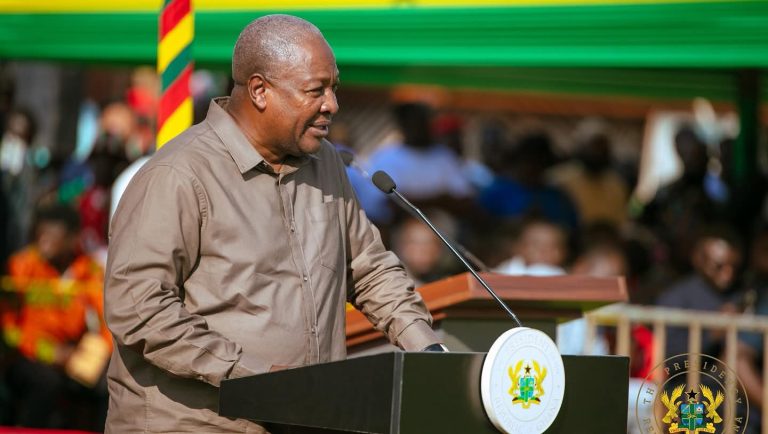
Parliament has passed the Ghana Medical Trust Fund Bill, 2025, popularly known as the Mahama Cares Programme, despite fierce resistance from the Minor
Parliament has passed the Ghana Medical Trust Fund Bill, 2025, popularly known as the Mahama Cares Programme, despite fierce resistance from the Minority Caucus and warnings of financial and institutional strain on the National Health Insurance Scheme (NHIS).
The landmark legislation establishes a special-purpose health fund to provide critical financial support for Ghanaians battling chronic and non-communicable diseases (NCDs) such as cancer, diabetes, stroke, and kidney failure.
Spearheaded by the Ministry of Health, the initiative is a flagship policy under President John Mahama’s second-term health agenda, targeting health equity for vulnerable populations.
Background
Non-communicable diseases account for a growing share of Ghana’s mortality rate.
According to the Ministry of Health, NCDs contribute to 40–43% of deaths, and this figure rises to over 65% when child mortality is excluded.
With the NHIS widely criticised for not fully covering NCD-related treatment, health sector advocates have for years called for a standalone mechanism to cushion affected patients from spiraling out-of-pocket expenses.
The MahamaCares Programme was developed as a direct response to this gap.
However, the solution has generated political and policy controversy over its design and funding mechanism.
The Contentious Debate in Parliament
The bill was introduced on the floor of Parliament less than 24 hours before it was debated — a move the Minority described as rushed and ill-conceived.
A key sticking point was the bill’s proposal to allocate 20% of the NHIS levy to the new Ghana Medical Trust Fund.
Minority lawmakers led by Damongo MP and former Lands Minister, Samuel Abu Jinapor, described the proposal as duplicative and potentially damaging.
“We are creating a parallel institution with overlapping responsibilities,” Jinapor cautioned.
“This is an unnecessary duplication that could deplete the NHIS and worsen healthcare delivery instead of improving it.”
He cited international advisory bodies such as the UN, WHO, and IMF, which have consistently warned developing nations against creating multiple bureaucracies for identical mandates.
Defence
Health Minister Kwabena Mintah Akandoh defended the policy vigorously, stressing that the MahamaCares Fund would complement, not compete with, the NHIS.
He argued that the existing NHIS does not sufficiently cover high-cost chronic illness treatment, and a tailored fund was urgently needed.
Minority Raises Financial Sustainability
MP for Manhyia North, Akwasi Konadu, questioned the sustainability of using one social intervention (NHIS) to fund another, warning it could rob primary care initiatives of much-needed funds.
He expressed fears that underfunding primary care could increase the burden on already overwhelmed tertiary care institutions.
Majority Justifies Funding Strategy
Majority Leader Mahama Ayariga acknowledged the concerns but defended the structure as both necessary and responsible.
He said the 20% earmarked from NHIS would be capped, with the remaining financing sourced from development partners, private sector contributions, and government allocations.
Despite the passionate objections, the bill passed with a majority vote, pushing the Mahama administration’s signature health programme one step closer to implementation.

COMMENTS