
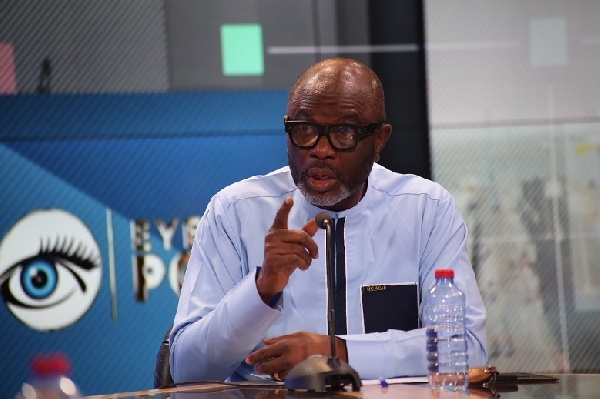
The dream of becoming a manufacturing and trade hub under the African Continental Free Trade Area (AfCFTA) is facing serious headwinds, as the Ghana U
The dream of becoming a manufacturing and trade hub under the African Continental Free Trade Area (AfCFTA) is facing serious headwinds, as the Ghana Union of Traders Association (GUTA) warns that high electricity and water tariffs are eroding the country’s competitiveness in regional commerce.
At a press briefing in Accra on Monday, October 6, 2025, GUTA President Dr. Joseph Obeng cautioned that the rising utility costs are crippling local industries, inflating the prices of goods and services, and discouraging both domestic and foreign investment.
“We all realise that we are participating in AfCFTA, yet Ghana is lagging behind. Our goods cannot even compete with those from Togo. The high cost of doing business here, especially utility tariffs, has been a major setback,” Dr. Obeng lamented.
Background
Ghana was among the first countries to ratify and host the AfCFTA Secretariat in 2020, positioning itself as a gateway for continental trade.
The initiative aims to create a single market for goods and services across 54 African nations.
However, five years into implementation, Ghanaian businesses are struggling to stay competitive due to unfavorable production costs, largely driven by recurrent utility tariff hikes.
Over the past two years, electricity tariffs have increased by over 30%, while water tariffs have also seen multiple adjustments.
These surges, driven by operational deficits and currency depreciation, have hit industries hard — from small traders and manufacturers to large-scale exporters.
GUTA’s Call For Urgent Policy Review
Dr. Obeng emphasized that the government and the Public Utilities Regulatory Commission (PURC) must take immediate steps to review the current tariff structure.
He argued that while other African countries are providing incentives to attract investors, the cost structure is pushing businesses to the brink.
“We cannot talk about competitiveness in AfCFTA when the cost of running a shop in Accra is higher than operating in Lomé or Abidjan,” he said. “This is not sustainable for Ghanaian enterprises.”
GUTA further urged the Energy Ministry to engage industry stakeholders to craft a fair and sustainable tariff framework that supports local production, protects jobs, and attracts investment under the continental free trade regime.
Food And Beverages Industry Joins the Outcry
Echoing GUTA’s concerns, the Ghana Food and Beverages Association (FABAG) also called for sweeping reforms within the Electricity Company of Ghana (ECG).
According to FABAG Chairman John Awuni, increasing tariffs will not solve the power distributor’s inefficiency problems.
“There shouldn’t be any tariff increment because no amount of increase can fix ECG’s problems. What we need is structural reform to reduce technical and commercial losses to acceptable levels,” Mr. Awuni stated.
He explained that frequent tariff hikes only deepen the financial burden on manufacturers, who are already grappling with high taxes, volatile exchange rates, and inflation-driven costs.
Private Sector Frustration Deepens
The private sector’s frustration has been building for years. Business owners have repeatedly complained that the high cost of utilities, logistics, and port charges make it difficult to compete with regional neighbors whose governments have introduced subsidies and infrastructure incentives to boost exports.
Industry analysts warn that if the trend continues, Ghana could lose its competitive edge within the AfCFTA market to countries like Kenya, Rwanda, and Côte d’Ivoire, which have managed to maintain lower utility costs and stronger industrial policies.

COMMENTS