
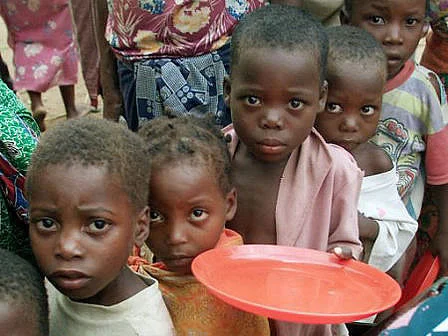
In Ghana, where over a quarter of the population roughly 8 million people lives below the extreme poverty line of $2.15 a day, everyday citizens grapp
In Ghana, where over a quarter of the population roughly 8 million people lives below the extreme poverty line of $2.15 a day, everyday citizens grapple with barriers that make upward mobility feel out of reach. Despite economic recoveries like the cedi’s 40% appreciation in 2025, persistent inflation and job traps keep many households in survival mode.
Inflation’s Bite on Daily Life
High inflation, peaking above 20% before easing to 5.4% by late 2025, has eroded purchasing power for food, fuel, and utilities, pushing nearly 850,000 more into poverty amid a cost-of-living crisis. Informal workers in Accra, who dominate the workforce, report skyrocketing expenses outpacing stagnant wages, leaving families choosing between meals and rent.
| Metric | Value | Impact on Households |
| Extreme Poverty Rate | 25% ($2.15/day) | Affects 8M+ Ghanaians |
| Inflation (Dec 2025) | 5.4% | Follows years 20% |
| Households Without Cash Income | 57% | Limits savings, resilience |
The Informal Job Trap
Eighty percent of Ghanaians toil in the informal sector, generating just 27% of GDP due to low productivity and no protections—headline unemployment at 3.1% hides this “working poverty.” Youth unemployment hits 39% for ages 15-24, with over 1 million idle, fueling frustration and limiting skills development.
Rural and Agricultural Vulnerabilities
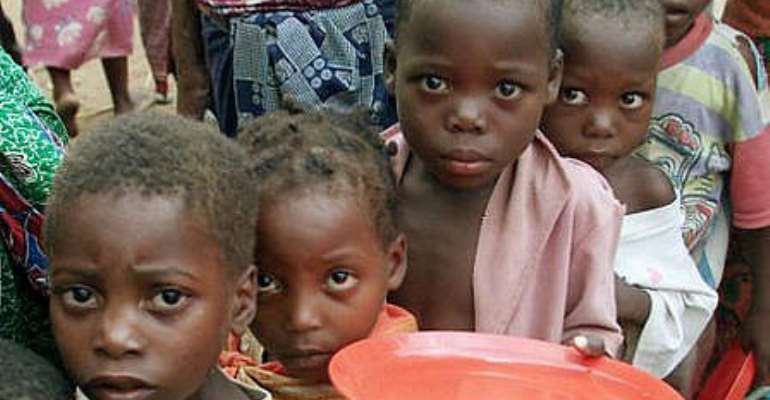
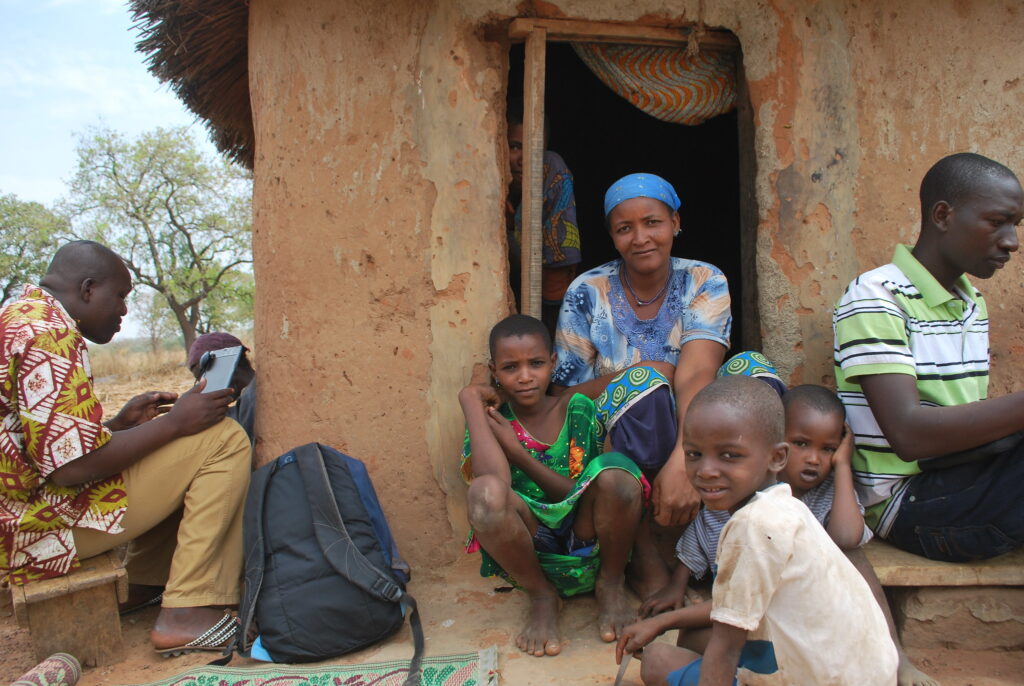
Subsistence farming, reliant on unpredictable rains and low yields, traps rural northern households in cycles of debt and food insecurity, where climate shocks amplify poverty despite national gains. Multidimensional deprivations—like poor sanitation and health access affect 41-47%, stunting escape routes.
Paths Forward Amid Challenges
Programs like Livelihood Empowerment Against Poverty (LEAP) provide cash transfers, but scale remains limited against structural issues like education gaps and financial exclusion. Experts urge investments in youth skills, farm mechanization, and formal job creation to break the cycle, as economic strains risk reversing hard-won progress.
This story draws on World Bank data and recent economic reports for evidence-based insights into Ghana’s poverty dynamics.
Story by Doe Benjamin Kofi Lawson

COMMENTS