
The Asantehene, Otumfuo Osei Tutu II, has disclosed that both the Kusasi and Mamprusi factions made significant concessions during his mediation effor
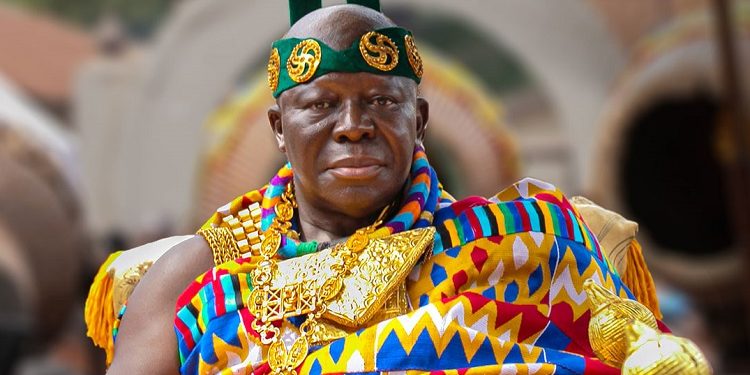
The Asantehene, Otumfuo Osei Tutu II, has disclosed that both the Kusasi and Mamprusi factions made significant concessions during his mediation efforts aimed at resolving the decades-long Bawku conflict, underscoring the growing willingness of the parties to embrace peace.
Presenting his detailed mediation report as part of ongoing efforts to secure lasting stability in the conflict-prone area, Otumfuo said the current peace process marks a notable departure from earlier attempts, which yielded limited success despite sustained government intervention over the years.
The Asantehene delivered the report to President John Dramani Mahama at the Jubilee House on Tuesday, December 16, where he outlined the historical circumstances that gave rise to the protracted dispute.
He traced the origins of the conflict to colonial-era administrative decisions, which, he explained, fundamentally altered existing traditional governance structures and planted the seeds of tension between the Kusasi and Mamprusi communities.
Providing historical context, Otumfuo recounted that when the British colonial administration arrived in Bawku in 1901, they expressed dissatisfaction with the prevailing Tendana system, under which earth priests served as custodians of the land. In response, the colonial authorities introduced aspects of the chieftaincy system, appointing chiefs from among Tendanas where suitable candidates could be found, while selecting other individuals in areas where qualified Tendanas were not identified.
According to the Asantehene, the Kusasi maintain that it was during this period that the Mamprusi presented themselves to the British as chiefs of their ethnic communities, a claim that led to their subsequent recognition and registration by the colonial administration.
He emphasised, however, that the Tendana institution was never abolished and continued to exist alongside the newly introduced chieftaincy structure, creating overlapping authority and eventual friction.
Otumfuo noted that tensions intensified over time when some Mamprusi chiefs were alleged to have abused their authority over Kusasi landowners.
These actions, he said, provoked strong resistance from the Kusasi, who eventually removed Mamprusi chiefs from their positions and installed their own traditional leaders.
The Asantehene further explained that following the death of the last Mamprusi chief in Bawku in 1956, the Kusasi selected Abugrago Azorka I as Bawku Naba in 1957. After his death in 1983, his first son was chosen in 1984 to succeed him as Zugraan Bawku Naba, with the installation of Asigri Abugrago Azorka II, who continues to occupy the position to this day.
Otumfuo Osei Tutu II said the willingness of both the Kusasi and Mamprusi to make concessions during the current mediation process reflects a shared recognition that peace is essential for development and security in the area.
He noted that while the process has been complex and emotionally charged, the openness shown by both sides provides a foundation for a sustainable resolution.
The presentation of the report, he added, forms part of broader efforts being led by the Asantehene to encourage dialogue, rebuild trust, and bring lasting peace to the Bawku municipality, which has experienced recurrent violence for decades.
He expressed optimism that with continued engagement, respect for history, and commitment to compromise, a durable solution to the conflict can be achieved.

COMMENTS