
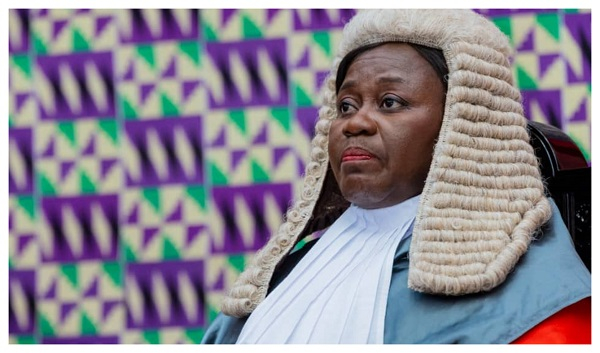
Introduction The Chief Justice of Ghana holds a critical position as the head of the judiciary and a guardian of constitutional democracy.
Introduction
The Chief Justice of Ghana holds a critical position as the head of the judiciary and a guardian of constitutional democracy. Appointed under Article 144 of the 1992 Constitution, the Chief Justice’s role includes presiding over the Supreme Court, administering the judiciary, and ensuring the rule of law. The removal of a Chief Justice is a rare and sensitive matter governed by Article 146 of the Constitution. This report explores the potential impacts of such a removal on Ghana’s democratic framework.
1. Constitutional and Legal Implications
Removing the Chief Justice without strictly following constitutional provisions would constitute a breach of the rule of law. Article 146 provides a clear, independent process involving a petition to the President and the formation of a committee to investigate allegations. Ignoring this process can result in a constitutional crisis and set a dangerous precedent for undermining independent institutions.
2. Threat to Judicial Independence
The judiciary serves as a check on the executive and legislative arms of government. Arbitrary or politically-motivated removal of the Chief Justice may compromise the independence of the judiciary. Judges may become reluctant to rule against the government or influential actors, fearing retaliation, which could ultimately erode justice delivery.
3. Political and Democratic Consequences
The removal of a Chief Justice can be politicised, especially in a highly polarised political environment. Such an action might lead to widespread public distrust in the government, opposition backlash, and potential civic unrest. Moreover, it could tarnish Ghana’s democratic reputation and commitment to good governance.
4. Institutional Disruption
The Chief Justice oversees judicial reforms, case management systems, and the general administration of the courts. Their abrupt removal can disrupt ongoing reforms, delay court proceedings, and create uncertainty within the judiciary. It may also slow the appointment of new judges and affect judicial performance.
5. Decline in Public Confidence
Public trust in the judiciary is fundamental to the legitimacy of democratic institutions. If citizens perceive that the Chief Justice was removed for political reasons rather than misconduct or incapacity, they may question the integrity and fairness of the legal system, leading to decreased civic engagement and respect for the law.
Conclusion
The removal of the Chief Justice of Ghana carries serious legal, political, and institutional consequences. To maintain judicial integrity and uphold the rule of law, such actions must be carried out transparently, fairly, and in strict accordance with constitutional procedures. Preserving the independence of the judiciary is essential to the stability and progress of Ghana’s democracy.
By: Boaitey Kwasi Dickson
Juaben Constituency Youth Organiser, NPP

COMMENTS