
In a renewed effort to curb the spread of illegal tobacco products and protect public health, the Food and Drugs Authority (FDA) has confiscated a wid
In a renewed effort to curb the spread of illegal tobacco products and protect public health, the Food and Drugs Authority (FDA) has confiscated a wide array of unregistered and illicit tobacco items from multiple locations across the capital city.
This decisive enforcement operation comes as part of activities marking World No Tobacco Day, which falls on May 31.
The FDA’s latest seizure included a staggering collection of contraband: 15 brands of illicit shisha (waterpipe) flavours, 21 brands of unauthorized vape products, 10 brands of illegal cigars, four different brands of smuggled tobacco wraps, three unapproved cigarette brands, and seven nitrous oxide canister brands often misused as recreational inhalants.
The operation, carried out with support from the Ghana Police Service, targeted six commercial outlets suspected of selling or distributing unregistered tobacco products.
While only four facilities—located in Kwabenya, East Legon, Abeka, and Fadama—were open during the raid, two additional locations in Tabora and Achimota were found closed at the time of the visit.
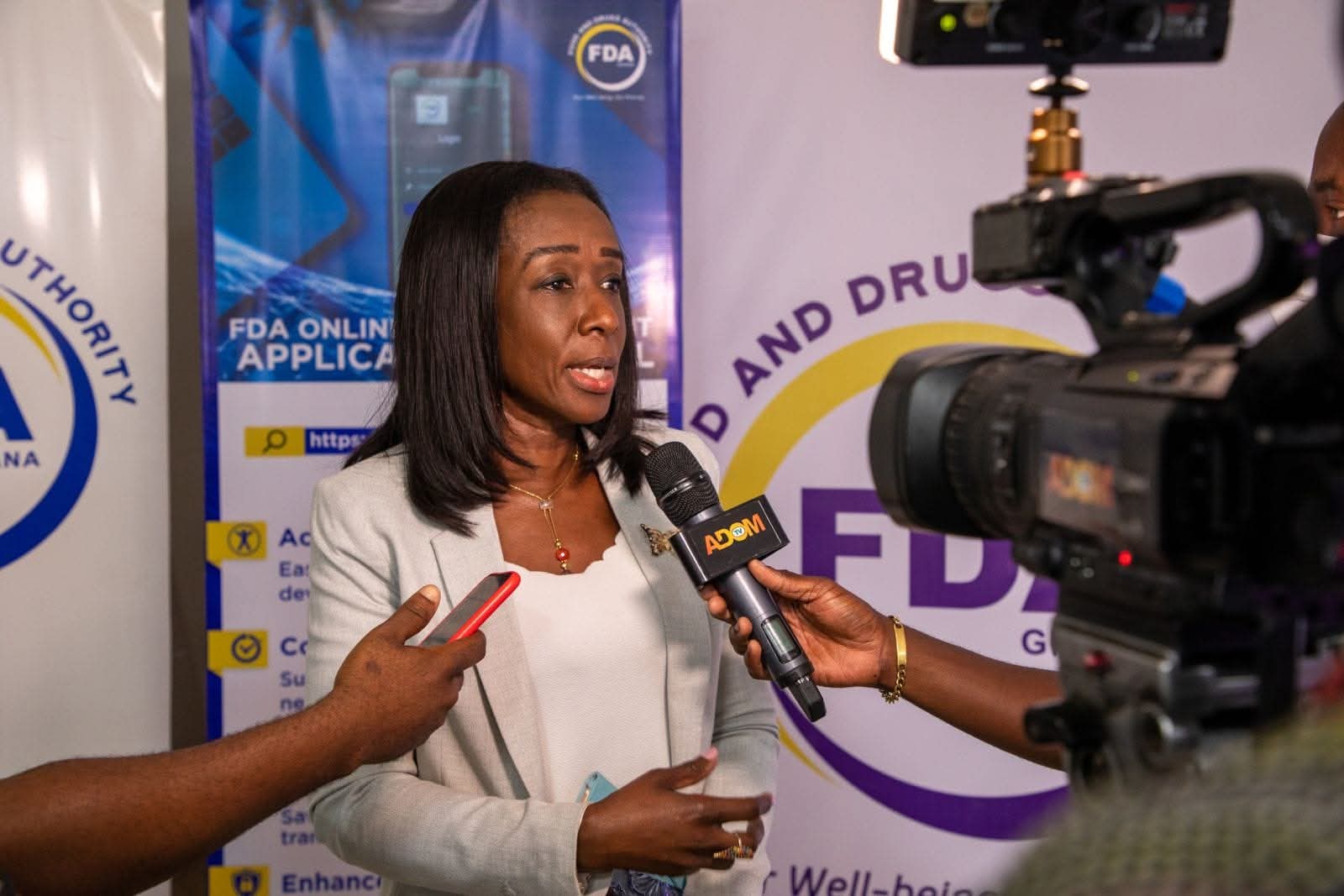
Speaking after the confiscations, Jemima Odonkor, Head of the Tobacco and Tobacco Products Department at the FDA, said the operation was not an isolated event, but part of the Authority’s ongoing crackdown on illegal products in Ghana’s tobacco market.
“These items entered the country through unapproved routes and pose significant health risks to consumers,” she said.
“The Authority will apply the necessary legal and regulatory sanctions against those involved in their distribution and sale.”
She emphasized the FDA’s long-term strategy, which includes community engagement, stricter border control collaboration, and education campaigns, especially among young people.
The operation reflects a growing challenge in Ghana and across Africa, where traditional cigarettes are increasingly being replaced by emerging forms of tobacco and nicotine products—vapes, shisha, and nicotine pouches—often marketed in flashy packaging with misleading health claims.
Recent trends have shown a spike in the use of these products among youth and urban dwellers, especially through nightlife venues, lounges, and unregulated online sellers.
Many of these items are smuggled into Ghana without proper registration, sidestepping health regulations, tax obligations, and consumer safety protocols.
The rise of nitrous oxide use—commonly referred to as “laughing gas”—has also drawn attention from authorities.
Though originally used for medical or industrial purposes, its increasing misuse as a recreational inhalant among partygoers and students has added a new layer of complexity to enforcement.
FDA’s Broader Campaign
As part of its broader public health mandate, the FDA is intensifying efforts ahead of World No Tobacco Day 2025 to raise awareness about the dangers of tobacco use.
This year’s theme focuses on safeguarding youth from the predatory tactics of tobacco companies and unregulated suppliers.
“We will be visiting schools to educate our students on the harmful effects of tobacco products to safeguard them from illicit drugs,” Odonkor said.
She added “Our goal is not just to remove these products from the shelves but also from the minds and lifestyles of future generations.”
In past years, the FDA has led numerous initiatives targeting the importation, advertisement, and unauthorized sale of tobacco products.
However, the persistence of illicit trade points to broader systemic issues—porous borders, limited enforcement manpower, and an evolving black market that adapts quickly to evade detection.
Legal and Public Health Implications
Under Ghana’s Public Health Act and related tobacco control regulations, the sale of unregistered tobacco products is a punishable offense.
Offenders can face fines, product destruction, and prosecution. But the larger battle remains behavioral—reversing the normalization of recreational tobacco use in clubs, on social media, and among youth.
According to the World Health Organization (WHO), tobacco kills over 8 million people globally each year, and countries like Ghana are facing the dual burden of tobacco-related diseases and an expanding black market.
The FDA is urging the public to report suspicious tobacco sales and be cautious of unverified products sold in shops and online platforms.

COMMENTS